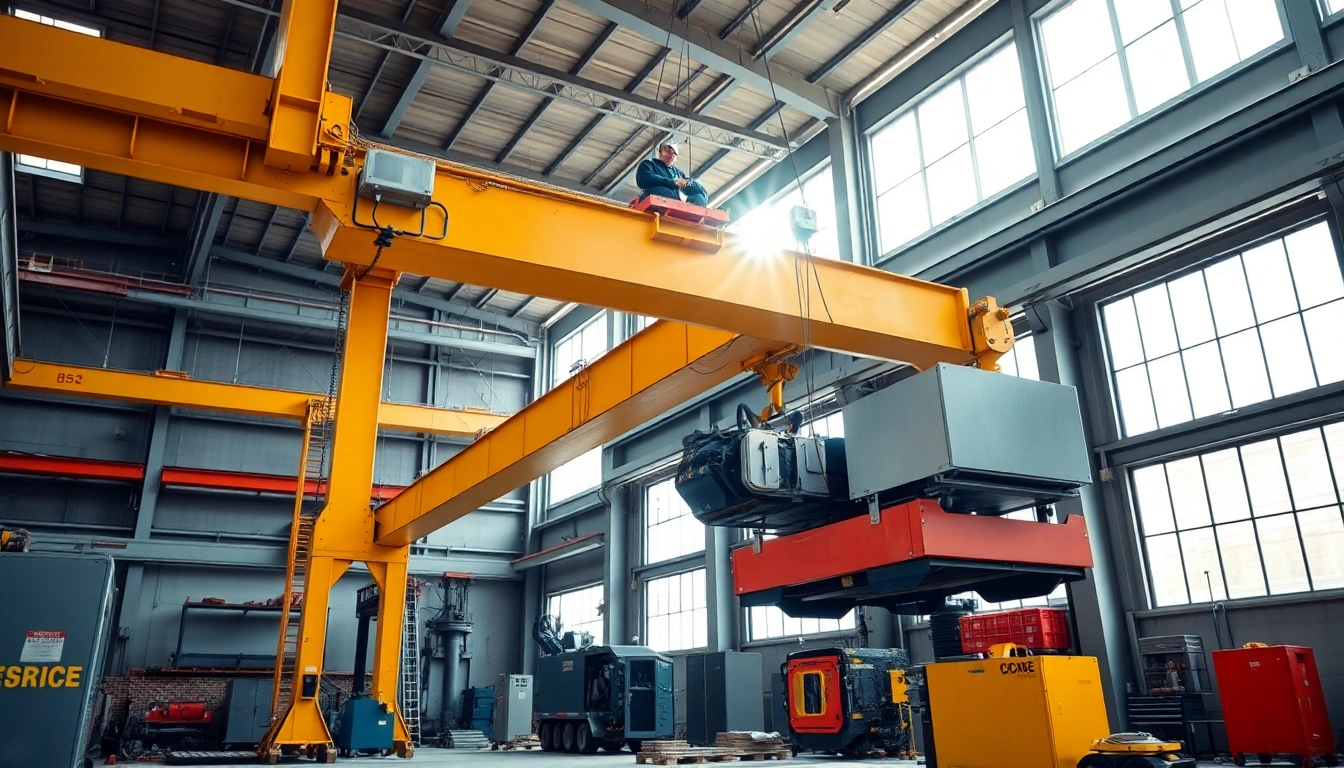
Understanding Bridge Cranes: Fundamentals and Functions
In the realm of industrial lifting solutions, few systems are as vital yet often misunderstood as bridge cranes. These cranes, also known as overhead cranes, are indispensable in various industries, adept at moving heavy loads across significant distances, thereby optimizing workspace efficiency and safety. In this comprehensive guide, we will explore the fundamental principles of bridge cranes, their components, and their myriad applications, offering readers an in-depth understanding of why these systems are critical in modern operations.
What is a Bridge Crane?
A bridge crane is a type of overhead crane that features one or more hoist units which operate on a fixed runway system. Typically consisting of two horizontal beams—known as the bridge—that span the width of the workspace, bridge cranes are designed to lift and move heavy objects within their defined operational area. The main advantage of bridge cranes lies in their ability to cover large areas while maintaining a relatively small footprint, making them an efficient choice for factories, warehouses, and other industrial environments.
Key Components of Bridge Cranes
- Bridge Beam: The main structural component that supports the hoist and moves along the runways.
- Runways: The tracks along which the bridge travels, typically mounted on columns or walls.
- Hoist: The device responsible for lifting and lowering loads, available in various configurations depending on the specific lifting needs.
- Control System: Comes in manual or automated forms, allowing operators to manage the crane's movements and operations effectively.
- End Trucks: These components allow the bridge to roll along the runways and can incorporate wheels for smooth operation.
Applications in Various Industries
Bridge cranes are utilized across a wide spectrum of industries, each employing them to address specific lifting needs:
- Manufacturing: Efficiently moving raw materials and finished products within assembly lines.
- Construction: Essential for lifting heavy beams, steel structures, and concrete blocks.
- Logistics: Facilitating loading and unloading of materials in warehouses and shipping facilities.
- Aerospace: Handling delicate components and assemblies with precision.
- Automotive: Assisting in the assembly and maintenance of vehicles.
Choosing the Right Bridge Crane for Your Needs
When it comes to selecting a bridge crane, several factors must be taken into account to ensure that the chosen solution aligns with operational demands and safety standards. Understanding the nuances of your specific requirements will guide you in making an informed choice.
Factors to Consider in Selection
- Load Capacity: Determine the maximum weight the crane needs to lift regularly.
- Span: Measure the required span that the crane must cover in your facility to optimize its utility.
- Height of Lift: Ascertain how high the crane must lift materials to navigate your workspace effectively.
- Speed of Operation: Consider the necessity for speed in lifting and moving loads, which affects productivity.
- Environment: Take into account the operating conditions, such as temperature, humidity, and exposure to chemicals.
Comparing Bridge Cranes with Other Lifting Solutions
While bridge cranes offer unique advantages, it is essential to compare them with other lifting solutions such as gantry cranes and jib cranes:
- Gantry Cranes: Suitable for outdoor use, but generally less efficient in utilizing vertical space.
- Jib Cranes: Limited to a smaller radius, making them ideal for specific tasks rather than broad coverage.
- Overhead Monorail Systems: Best for linear movement but lack the versatility of bridge cranes in covering wider areas.
Cost Considerations for Purchasing and Operating
Investing in a bridge crane involves various cost considerations, including initial purchase price, installation, maintenance, and operational expenses. Businesses should budget for both capital expenditures and long-term operational costs to ensure a sustainable investment.
Installation and Safety: Best Practices
Proper installation and adherence to safety protocols are paramount when deploying a bridge crane in any facility. This ensures that the system operates smoothly and safely, reducing the risk of accidents and service disruptions.
Site Preparation and Environmental Considerations
Before installation, thorough site preparation is required, which includes assessing the structural integrity of the facility and ensuring that the environment is suitable for crane operation. Factors such as ceiling height, floor strength, and nearby obstructions must be carefully evaluated.
Safety Standards and Compliance Regulations
- Familiarize yourself with OSHA regulations surrounding crane operations to ensure full compliance.
- Regularly inspect and maintain the crane to prevent malfunctions and accidents.
- Establish load limits and ensure that operators are qualified and trained.
Training Operators for Effective Crane Use
To maximize efficiency and safety, invest in comprehensive training programs for crane operators. This training should cover operational procedures, safety practices, and emergency response scenarios, ensuring that all personnel are adequately prepared.
Maintenance and Troubleshooting of Bridge Cranes
Regular maintenance of bridge cranes is crucial to ensure longevity and optimal performance. A well-maintained crane is less likely to break down, which can lead to costly downtime.
Routine Maintenance Practices to Ensure Longevity
- Daily Inspections: Check for visible wear, lubrication needs, and operational integrity before use.
- Scheduled Maintenance: Follow the manufacturer’s recommendations for periodic maintenance checks and servicing.
- Cleaning: Keep the crane and surrounding area free of debris and contaminants that could impair operation.
Common Issues and Their Solutions
Bridge cranes may encounter several typical issues, including:
- Uneven Load Distribution: Regularly check that the load is balanced to prevent tipping or malfunction.
- Electrical Failures: Inspect wiring and connections to avoid power issues; maintain an emergency power source if possible.
- Wear on Components: Replace parts that show significant wear to prevent breakdowns during operation.
When to Call in Professional Services
While routine maintenance can often be handled internally, professional services should be called for complex repairs or when specialized knowledge is required, ensuring that all work is performed safely and to a high standard.
The Future of Bridge Cranes: Trends and Innovations
The landscape of industrial lifting solutions is constantly evolving, influenced by technological advancements and changing market demands. Staying informed about emerging trends is essential for businesses looking to stay competitive.
Emerging Technologies in Crane Design
Innovations such as advanced automation, IoT integration, and telematics are revolutionizing bridge cranes. These technologies enable operators to monitor crane performance and predict maintenance needs, optimizing operational efficiency.
Predicting Market Changes for 2025 and Beyond
Market trends indicate a growing emphasis on sustainable practices and energy-efficient designs in crane manufacturing. Companies that adapt to these trends will likely gain a competitive edge as the industry evolves.
Sustainability Practices in Crane Manufacturing
In response to increasing environmental concerns, manufacturers are seeking ways to reduce energy consumption and waste in crane production. Incorporating recyclable materials and designing for longevity are key practices that can contribute to sustainability in this sector.