Understanding GRP Grating Basics
What is GRP Grating?
Glass Reinforced Plastic (GRP) grating is an advanced composite product made from a polymer reinforced with glass fibers. This material is engineered to provide robust structural properties, making it an ideal choice for various industrial applications. GRP grating is known for its lightweight, corrosion-resistant capabilities, and is often preferred over traditional materials such as steel or aluminum. With a slip-resistant surface and the ability to withstand harsh environmental conditions, GRP grating is used across multiple sectors, including construction, chemical processing, and automotive industries.
Benefits of Using GRP Grating
Choosing GRP grating offers several advantages:
- Corrosion Resistance: GRP grating is naturally resistant to most chemicals, making it an ideal choice for environments where steel would corrode.
- Lightweight: Compared to metal grating, GRP is significantly lighter which not only eases handling and installation but also reduces structural load.
- Non-conductive: GRP grating does not conduct electricity, significantly reducing the risk of accidents in electrically sensitive environments.
- Customizability: GRP grating can be tailored to meet specific application needs, including colors, sizes, and load-bearing requirements.
- Durability: Its superior tensile strength and shock resistance ensure longevity, minimizing the need for replacement and maintenance.
Common Applications for GRP Grating
GRP grating finds application in a vast array of sectors due to its versatility:
- Pulp and Paper Industry: Used in platforms and walkways, ensuring safety despite slippery conditions.
- Chemical Processing: Ideal for environments where corrosive substances are present.
- Wastewater Treatment: Provides a reliable solution for platforms that require frequent cleaning and maintenance.
- Marine Industry: Suitable for docks and piers as it withstands saltwater and minimizes algae buildup.
- Agriculture: Utilized in livestock facilities, providing clean and hygienic flooring solutions.
Identifying Your Needs: Selecting a GRP Grating Supplier
Assessing Your Project Requirements
Before choosing a GRP Grating Supplier, it is crucial to assess the specific requirements of your project. Determine the load-bearing capabilities you need, the environmental conditions the grating will face, and any special features necessary for your application. Factors such as slip resistance, color coding for safety, and customization options should also be considered to suit your project.
Evaluating Supplier Credentials
Understanding the reputation and capabilities of potential suppliers is essential. Look for suppliers with a proven track record in quality production and that follow industry standards. Certifications such as ISO can indicate commitment to quality and safety. Customer testimonials and case studies can provide insights into the supplier's reliability and responsiveness to complex project demands.
Understanding Different Grating Types
GRP grating comes primarily in two forms: molded and pultruded. Molded grating consists of flat sheets that are cast into shape, offering excellent slip resistance and sound dampening. Pultruded grating, on the other hand, is manufactured through a process involving resin pulling; it tends to have better load-bearing capacity and is suitable for structural applications. Understanding the differences will help you better match the product to your project needs.
Key Factors in GRP Grating Production
Materials and Manufacturing Processes
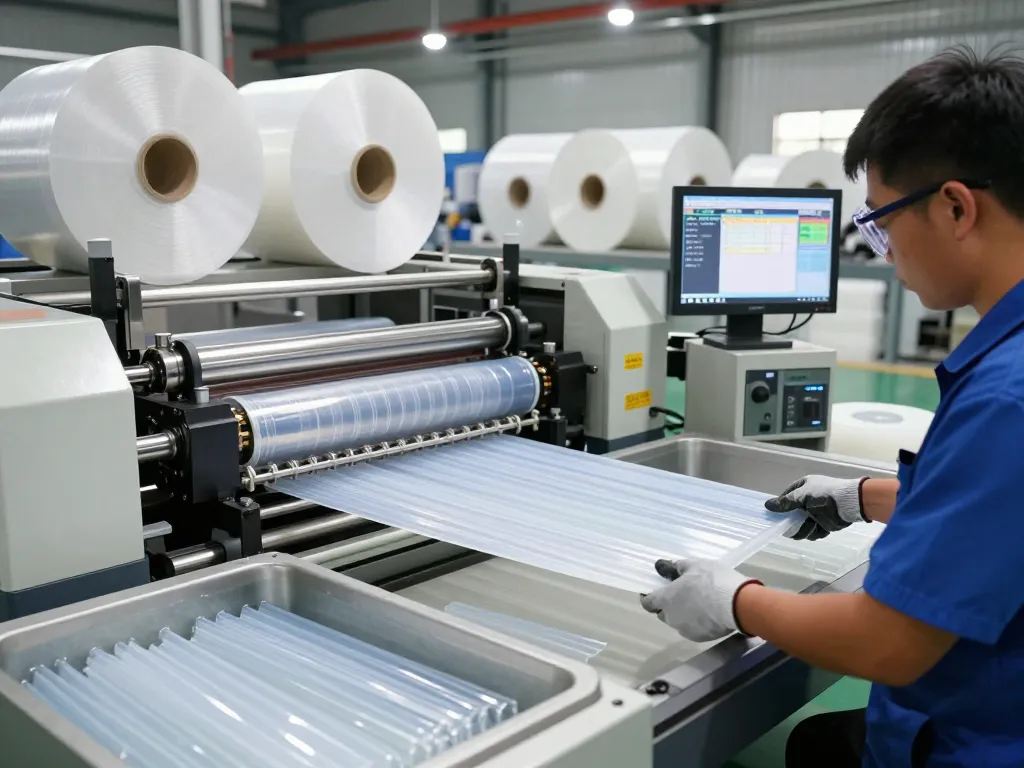
The quality of GRP grating depends heavily on the materials and manufacturing processes used. High-quality resins, such as isophthalic or vinyl ester, enhance the structural integrity and resistance to various environmental factors. Understanding the production methods, including how the resin is infused and the thickness of layers, will guide you in selecting a more durable product.
Quality Assurance Standards
Quality assurance processes ensure that the GRP grating produced meets rigorous safety and performance standards. Look for suppliers that conduct regular testing for tensile strength, corrosion resistance, and UV stability. Compliance with relevant standards, such as ASTM or CE certifications, is an indicator of high manufacturing quality.
Customization Options Available
Many GRP grating suppliers offer customization options tailored to the specific needs of a project. Custom colors, sizes, and surface textures can enhance both functionality and aesthetic appeal. Understanding how to request these options can provide significant benefits, especially in compliance with safety regulations or branding requirements.
Installation and Maintenance of GRP Grating
Installation Best Practices
Installing GRP grating requires careful planning and adherence to best practices. Begin with a thorough assessment of the installation site to ensure compatibility with existing structures. Use appropriate fixing methods, such as clips or brackets, designed for GRP materials. Ensure that the grating is installed on a level surface for optimal load distribution and user safety.
Routine Maintenance Tips
Regular maintenance extends the lifespan of GRP grating. This includes periodic cleaning to remove debris or spills that could lead to slip hazards. Inspect the grating regularly for signs of wear or damage, especially in high-traffic areas. Additionally, check the fastening components to ensure they remain secure, preventing any movement or tilting.
Common Problems and Solutions
While GRP grating is durable, common issues may arise:
- Flexing or Warping: Ensure proper installation to reduce stress on the material. Adjustments may be necessary to rectify load distribution.
- Discoloration: Regular cleaning can help minimize staining, particularly in outdoor applications. A UV-resistant option can prevent fading.
- Slippery Surface: If slip resistance diminishes over time, consider applying a non-slip coating as a preventive measure.
Frequently Asked Questions about GRP Grating
What industries commonly use GRP grating?
GRP grating is widely used in industries like water treatment, chemical processing, food and beverage, and construction due to its corrosion resistance and durability.
How does GRP compare to steel grating?
GRP grating is lighter, non-corrosive, and generally requires less maintenance than steel grating, making it often the preferred choice in harsh environments.
What is the lifespan of GRP grating?
Under normal conditions, GRP grating can last many years, often exceeding 25 years, depending on environmental factors and maintenance.
Can GRP grating be used in chemical environments?
Yes, GRP grating is specifically designed to withstand corrosive chemicals, making it ideal for various industrial applications in chemical environments.
What warranties should a GRP grating supplier offer?
A reputable GRP grating supplier should provide warranties covering defects in materials and workmanship, typically ranging from 5 to 10 years.