Understanding the Ice Maker
What is an Ice Maker?
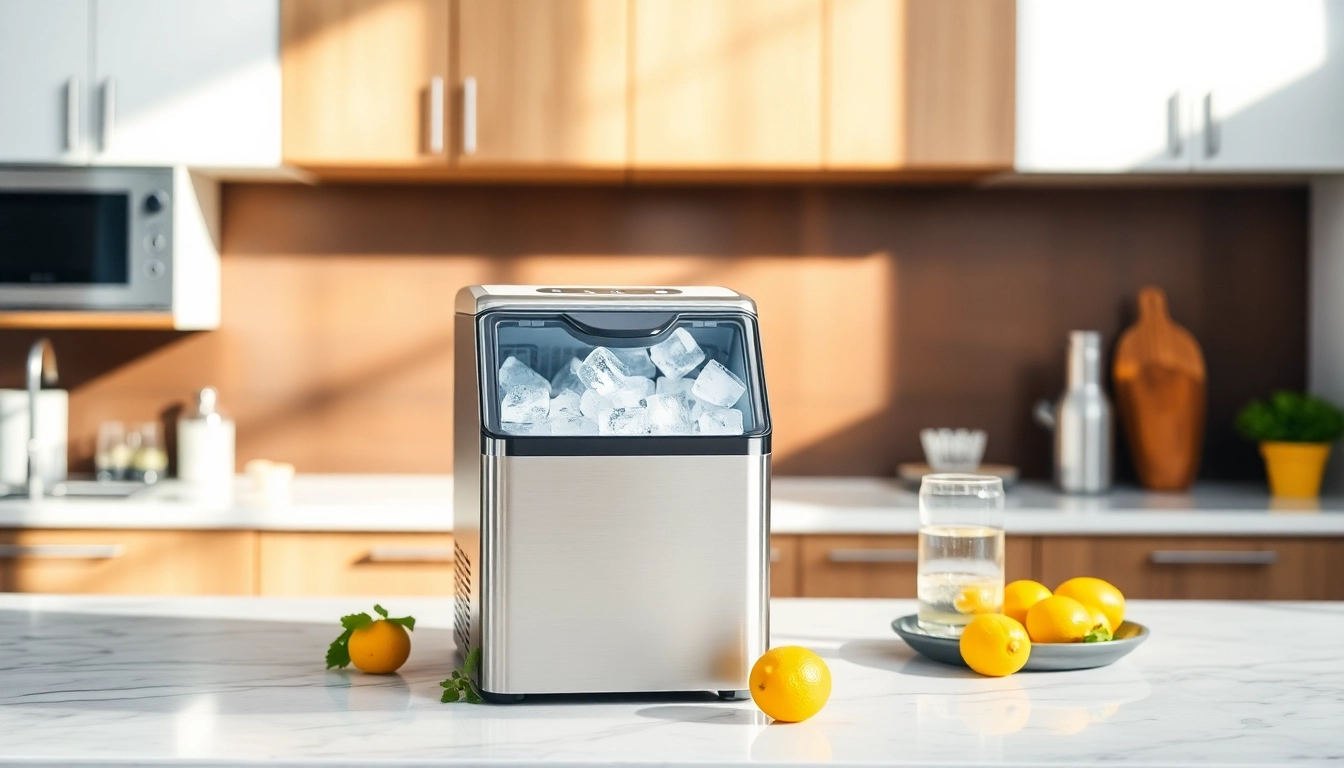
An ice maker is a device designed to produce ice on demand. Unlike traditional ice trays that require freezing and manual effort, an ice maker automates the process, allowing you to have a continuous supply of ice readily available. These devices come in various forms, capable of producing different ice types, catering to the specific needs and preferences of users. The convenience they provide is unmatched, especially for those who frequently host gatherings or enjoy iced beverages.
Types of Ice Makers Available
There are primarily three categories of ice makers:
- Portable Ice Makers: These countertop models are ideal for home use and can produce a sufficient amount of ice quickly. They're often lightweight, making them easy to move around, perfect for gatherings, picnics, or camping trips.
- Built-in Ice Makers: Designed for installation within kitchen cabinets or integrated into refrigerators, these units can supply a steady stream of ice. Built-in ice makers are ideal for users who require a high volume of ice on a regular basis.
- Commercial Ice Makers: These machines are capable of producing large quantities of ice and are used in commercial settings such as bars, restaurants, and hotels. They have higher output capabilities and are built to withstand continuous operation.
Key Features to Consider
When selecting an ice maker, various features are essential to consider:
- Production Capacity: Look at how much ice the unit can produce within a specified time frame, typically measured in pounds per day.
- Size and Design: Ensure the ice maker fits your space and meets your aesthetic preferences, as they can come in various sizes and styles.
- Ice Type: Different machines produce different types of ice, such as nugget, bullet, or cubed ice. Choose according to your preferences for drinks and culinary needs.
- Energy Efficiency: Consider models that are energy-efficient, ideally those with an Energy Star rating to save on electricity bills over time.
- Ease of Use and Maintenance: Features such as an auto-clean function or removable parts can make maintenance easier.
Benefits of Using an Ice Maker
Save Time and Effort
Investing in an ice maker can significantly reduce the time and effort spent on making and storing ice. No longer do you have to fill and freeze trays, wait hours for them to freeze, or contend with messy spills. With an ice maker, you can have fresh ice available in a matter of minutes, making your life easier and more enjoyable, especially during hot days or parties.
Quality and Variety of Ice Cubes
Ice makers provide a range of ice types, including clear cubes, nugget ice, and flake ice. This variety not only enhances drinks but also allows for creative use in cocktails and culinary presentations. Premium ice can also enhance the aesthetic appeal and taste of beverages, which is crucial for entertaining or dining experiences.
Cost-Effectiveness Over Time
While the initial investment in an ice maker may seem significant, it can lead to cost savings over time. By eliminating the need to buy bags of ice from the store or replacing traditional ice trays frequently, users can ultimately recoup their investment. Additionally, the convenience can lead to more frequent social gatherings, potentially offsetting costs through shared entertaining experiences.
How to Choose the Right Ice Maker
Assessing Your Ice Needs
Understanding how much ice you will need is crucial in selecting the right ice maker. Consider the size of your household, the frequency of entertaining guests, and your specific consumption needs. For casual users, a small portable model may suffice, while those hosting large gatherings may require a commercial-grade machine to keep up with demand.
Space Considerations for Installation
Before purchasing an ice maker, measure the intended installation area. Dimensions should not only account for the machine's size but also for the surrounding space required for operation and maintenance. Portable models require less space and offer flexibility, while built-in machines need proper cabinetry and plumbing to function optimally.
Energy Efficiency Ratings
Energy efficiency is crucial for long-term savings. Look for ice makers with high energy-efficiency ratings, as they consume less electricity without compromising on performance. This not only lowers your utility bills but also contributes to sustainability efforts by minimizing overall energy consumption.
Common Issues and Troubleshooting
Understanding Ice Maker Performance
Ice makers can experience occasionally reduced performance. Common issues include slow ice production, odd tastes in ice, or machine malfunctions. Understanding the typical performance metrics can help in troubleshooting problems when they arise.
Common Troubleshooting Tips
1. Slow Ice Production: This could be due to insufficient water supply; check connections and the water filter.
2. Ice Tastes Bad: Ensure the water filter is functioning correctly, and clean the ice bin to prevent contamination.
3. Machine Not Working: Check for power issues, and ensure the power cord is connected and functional.
When to Seek Professional Help
If troubleshooting attempts do not resolve issues, it may be time to seek the help of a professional appliance technician. Persistent problems may indicate a malfunctioning compressor or other critical components that require expert attention to avoid further damage or repair costs.
Maintenance Tips for Your Ice Maker
Regular Cleaning Procedures
Routine maintenance involves cleaning the unit frequently, including the water reservoir and ice bin. Regular cleaning helps prevent bacterial growth and maintains the quality of the ice produced. Follow the manufacturer’s guidelines for cleaning frequency to ensure optimal performance.
Proper Water Filtration Methods
Using filtered water can significantly enhance ice quality. Installing a water filtration system to your ice maker can help eliminate impurities that cause odd flavors and odors. Regularly change any inline filters as recommended to ensure clean, great-tasting ice.
Storage and Ice Management
Managing ice storage effectively is essential. Avoid leaving ice in the bin for prolonged periods as it can clump together or acquire tastes from the freezer. Use a quality ice scoop and transfer ice to a separate cooler or bin if not used immediately to prolong the freshness and quality of the ice.
Frequently Asked Questions
1. How long does it take for an ice maker to produce ice?
Most ice makers can produce ice in as little as 6 to 15 minutes, depending on the model and its ice type.
2. Can I use hard water in my ice maker?
Hard water can lead to mineral buildup, affecting performance. It's recommended to use filtered or soft water for better results.
3. How do I clean my ice maker?
Turn off and unplug the machine, remove all ice, and wash the surfaces with warm, soapy water. Rinse thoroughly and allow to dry before reassembling.
4. Can I leave my ice maker on all the time?
Yes, ice makers are designed for continuous operation. However, regular maintenance is necessary to ensure performance.
5. Do ice makers produce different ice types?
Yes, many models offer various ice types, including cube, nugget, and flake ice. Choose one that suits your needs.