

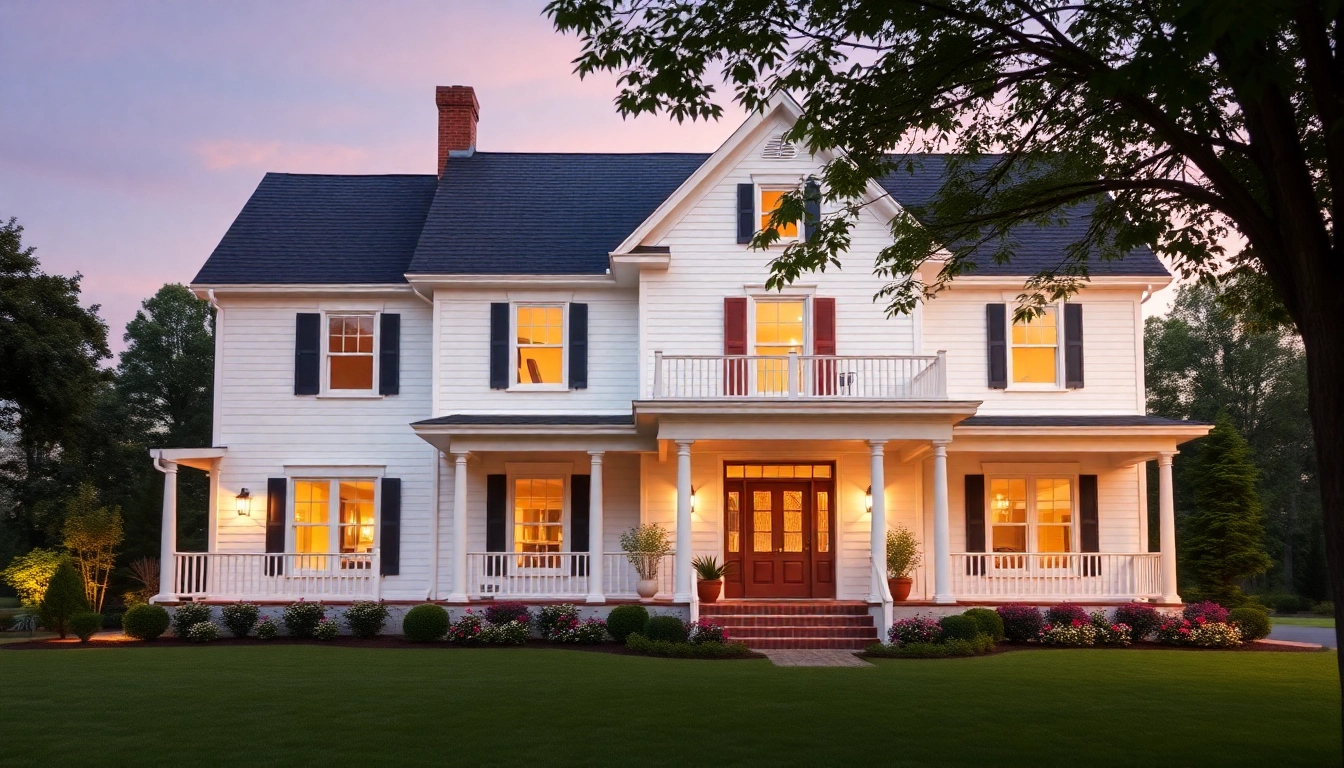
Understanding Colonial Home New Build Construction
Building a new home is an exciting journey filled with numerous decisions and considerations. When it comes to vibrant and historically rich designs, the colonial home new build construction stands out as a popular choice for many homeowners. Colonial architecture encapsulates a unique blend of style, functionality, and lasting appeal. This article delves deeply into the intricacies of constructing a colonial home, providing insightful guidance for prospective builders.
History and Evolution of Colonial Architecture
The roots of colonial architecture can be traced back to 1600s North America, reflecting the early European settlers’ aesthetics and practical needs. Predominantly influenced by English, Dutch, Spanish, and French designs, colonial homes spread across the country, evolving uniquely in different regions.
Initially, colonial structures were predominantly simple wood-framed buildings or brick dwellings designed for practicality and durability. As time progressed, these homes began to adopt more elaborate features—symmetrical layouts, pitched roofs, and grand entrances—drawing on classical architectural principles prevalent in Europe at the time.
Today, colonial homes maintain the core characteristics of their ancestors while integrating modern amenities and energy-efficient technologies. This evolution has allowed colonial architecture to remain relevant, appealing to a wide array of homeowners who appreciate both aesthetic tradition and contemporary conveniences.
Key Features of Colonial Home Design
Colonial homes are renowned for their distinct features that evoke a sense of nostalgia while providing modern functionality. Some of the defining characteristics include:
- Symmetry: Colonial homes are often designed around a central axis, ensuring that the architecture is balanced and visually pleasing.
- Large Windows: Expansive windows are a hallmark of colonial design, allowing natural light to fill the interiors and enhancing the aesthetic appeal.
- Central Front Door: Many colonial homes feature a prominent front door, often flanked by sidelights and topped with a decorative pediment.
- Chimneys: Most colonial-style homes have one or more chimneys, which not only serve functional purposes but also add to the architectural charm.
- Traditional Rooflines: Gable roofs or hipped roofs are commonly seen in colonial design, contributing to the overall character of the home.
The Benefits of Building a Colonial Home
Opting for a colonial home offers multiple benefits, making it a sought-after choice in new construction. These advantages include:
- Timeless Appeal: The classic design of colonial homes has a timeless feel that can enhance the value of the property over the years.
- Energy Efficiency: Many modern colonial builds incorporate energy-efficient materials and systems, leading to reduced utility bills and a smaller carbon footprint.
- Customization: Colonial homes can be tailored to fit personal tastes, allowing for considerable flexibility in design and layout.
- Sustainable Features: Builders today often incorporate eco-friendly materials and building practices, providing a sustainable living environment.
- Resale Value: Because of the persistent popularity of colonial designs, these homes often hold their market value well, making them a sound investment.
Planning Your Colonial Home Construction
Choosing the Right Location for Your Build
The location of your colonial home is crucial and impacts everything from lifestyle to zoning laws. Here are key factors to consider:
- Accessibility: Ensure convenient access to schools, workplaces, shopping, and recreational amenities.
- Community Regulations: Research local zoning laws that may affect your construction options or architectural styles.
- Natural Environment: Assess the natural features of your chosen location—consider views, vegetation, and environmental impact.
- Future Development: Investigate any upcoming developments or infrastructure projects that might influence your property’s value.
Design Considerations for Colonial Homes
When planning the design of your colonial home, consider the following:
- Layout: Traditional colonial homes often feature a rectangular shape with a central hallway leading to various rooms. Maintain this layout for authenticity.
- Materials: Choose building materials that align with colonial aesthetics, such as brick or clapboard siding, and opt for natural wood finishes.
- Interiors: Design interior spaces that reflect traditional colonial features, such as high ceilings, crown molding, and hardwood floors.
- Color Schemes: Classic colonial color palettes often include whites, muted pastels, or earth tones that blend with the environment.
Budgeting Your Colonial Home New Build Construction
Effective budgeting is essential when embarking on a colonial home new build construction. Consider the following steps:
- Estimate Costs: Gather quotes from contractors and suppliers to have an accurate picture of construction costs and material expenses.
- Contingency Fund: Set aside a 10-20% contingency for unexpected expenses that may arise during construction.
- Financing Options: Explore financing avenues such as mortgages and construction loans to understand the best fit for your financial situation.
- Long-term Expenses: Factor in future costs like maintenance, insurance, and property taxes when planning your budget.
Materials and Techniques Used in Colonial Home Construction
Traditional vs. Modern Materials
Colonial homes primarily rely on durable and high-quality materials. Understanding the difference between traditional and modern materials can help you make informed decisions. Common materials include:
- Brick: Traditional colonial homes often feature brick exteriors for durability and classic aesthetic appeal.
- Wood: Timber framing is a common technique in colonial construction, allowing for flexibility in design.
- Stone: For added strength, stones were incorporated in some colonial homes, providing a rustic and timeless look.
- Modern Alternatives: Fiber cement boards and engineered wood provide longevity and reduced maintenance, aligning with modern building practices.
Construction Techniques to Consider
Utilizing appropriate construction techniques is vital for ensuring the structural integrity and efficiency of your colonial home build:
- Framing: Traditional post-and-beam framing can be executed for authenticity, while modern methods like platform framing offer efficiency.
- Insulation: Adequate insulation methods will improve energy efficiency—consider options such as spray foam or cellulose for good thermal performance.
- Roofing: Choose roofing materials that match the colonial style—shingles,metal, or slate can enhance the home’s aesthetic.
Eco-friendly Options for Your Colonial Build
Building a colonial home doesn’t have to come at the expense of sustainability. Embrace eco-friendly options:
- Reclaimed Materials: Use reclaimed wood or brick to reduce waste and add character to your home.
- Energy-efficient Windows: Select double or triple-pane windows to increase energy efficiency while maintaining aesthetic integrity.
- Solar Panels: Consider integrating solar energy systems for sustainability and reduced utility costs.
Regulatory Aspects of Building a Colonial Home
Understanding Building Codes and Permits
Each locality has specific building codes that ensure safety and integrity in construction. It’s crucial to:
- Research Local Codes: Familiarize yourself with local building codes that apply to your construction.
- Obtain Permits: Before construction, ensure all necessary permits are secured to avoid legal complications.
Working with Architects and Contractors
Collaborating with qualified professionals is vital for a successful colonial home build:
- Choose Experienced Professionals: Work with architects and contractors who have experience in colonial styles.
- Establish Clear Communication: Maintain open lines of communication to ensure alignment on expectations and timelines.
Ensuring Compliance with Historical Preservation
If you are building in a historic district, compliance with preservation guidelines is essential. Consider the following:
- Research Guidelines: Understand local historical preservation guidelines that may impact design and construction.
- Seek Approvals: Before starting your build, seek necessary approvals from preservation boards or local committees.
FAQs About Colonial Home New Build Construction
What defines a colonial home style?
A colonial home is characterized by symmetry, large windows, and often has a central front door. Its design draws from early American architecture.
How long does it take to build a colonial home?
The typical construction time for a colonial home can range from 6 months to over a year, depending on complexity and contractor efficiency.
What are the costs associated with building a colonial home?
Costs vary widely but can range from $200 to $400 per square foot, depending on the quality of materials and local labor rates.
Can I customize my colonial home design?
Yes, colonial homes are highly customizable. You can modify layouts, materials, and finishes to meet your personal preferences and needs.
Are colonial homes energy-efficient?
Modern colonial homes can be designed with energy efficiency in mind, utilizing insulation, energy-efficient windows, and HVAC systems.