

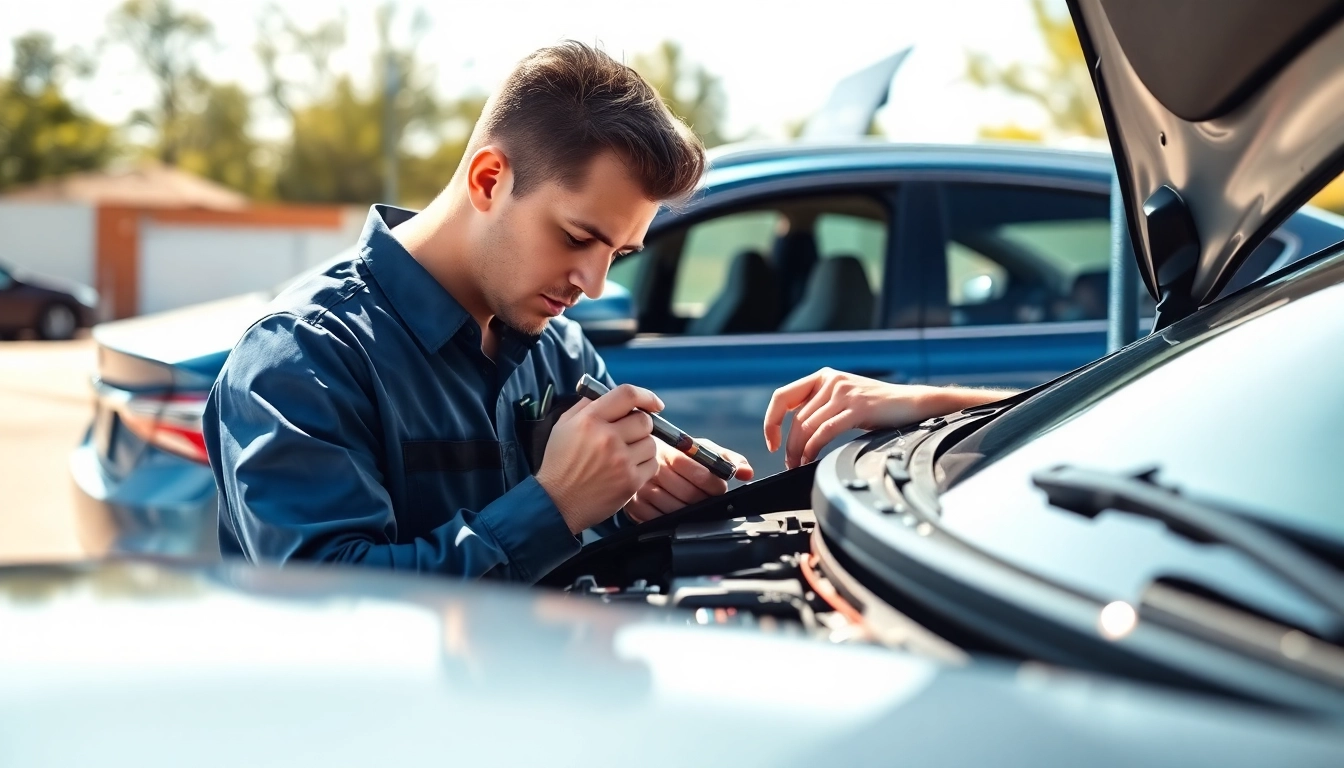
Understanding Mobile Car Repair and Its Advantages
What is Mobile Car Repair?
Mobile car repair is a service where automotive technicians come directly to the vehicle owner’s location to perform repairs and maintenance. This service eliminates the need for vehicle owners to drive to a repair shop, making it a convenient option for busy individuals or those without access to transportation. Whether you’re at home, at work, or even stranded on the side of the road, mobile car repair technicians can provide a range of services from oil changes to tire replacements. The convenience of mobile car repair has gained popularity, especially in urban areas where time efficiency is crucial.
Benefits of Mobile Car Repair for Vehicle Owners
The mobile car repair concept brings numerous advantages for vehicle owners. Key benefits include:
- Convenience: No need to schedule transportation to a shop, wait for repairs, or disrupt daily activities.
- Time Savings: Technicians work on vehicles at the owner’s convenience, reducing the time spent on repairs.
- Personalized Service: Many mobile mechanics can offer individualized attention and tailored services according to the owner’s specific needs.
- Cost-Effective: Reduced overhead costs for the service provider can lead to lower prices for consumers.
- Emergency Repairs: Ideal for emergencies, as technicians can often reach the owner quicker than traditional shops.
Common Services Offered in Mobile Car Repair
Mobile car repair services typically encompass a wide range of auto repair and maintenance tasks, including:
- Oil Changes: Regular oil changes enhance engine health.
- Tire Services: Tire rotations, balancing, and replacements ensure safety and performance.
- Battery Replacement: On-site battery testing and replacements save the hassle of shop visits.
- Brake Services: Brake inspections, pad replacements, and fluid changes.
- Diagnostic Services: Utilizing mobile diagnostic tools to identify issues accurately.
How to Choose the Right Mobile Car Repair Service
Key Features to Look for in a Service Provider
When selecting a mobile car repair service, consider the following features:
- Certifications: Ensure the technicians are certified and trained in automotive repair.
- Experience: Look for services with a solid track record and customer testimonials.
- Insurance: Verify that the service provider has liability insurance in case of accidental damage.
- Range of Services: Choose a service that can cater to your specific repair or maintenance needs.
- Flexible Availability: Opt for providers that offer convenient scheduling options.
Questions to Ask Before Hiring
Before finalizing your mobile car repair provider, ask these essential questions:
- What types of services do you offer?
- How do you charge for your services?
- Can you provide references or reviews from previous customers?
- What is your response time for emergency repairs?
- Do you provide warranties or guarantees on your services?
Evaluating Customer Reviews and Ratings
Customer reviews and ratings can provide valuable insights into a mobile car repair service’s reliability and quality. Look for:
- Overall Satisfaction: High overall ratings often indicate satisfactory service.
- Common Feedback: Pay attention to recurring themes in customer comments.
- Response to Complaints: A service’s ability to address negative feedback is crucial for credibility.
Preparing for a Mobile Car Repair Appointment
What to Expect During a Mobile Repair Visit
During a mobile repair visit, expect the following process:
- The technician will arrive at the agreed-upon time and location.
- They will assess the vehicle and discuss the identified issues with you.
- The technician will provide a clear estimate of time and costs for the repairs.
- Once you approve, they will perform the necessary work, ensuring you are informed along the way.
Essential Information to Provide the Technician
To facilitate a smooth repair process, provide the technician with:
- The make and model of your vehicle.
- A detailed description of the issues you are experiencing.
- Any previous repair history or relevant service records.
- Your contact information and preferred method of communication.
Tips for Ensuring Quality Service
To enhance your experience with mobile car repair services, consider these tips:
- Stay available during the appointment to address any questions the technician may have.
- Ensure that the area where the work is being done is safe and accessible.
- Communicate openly about symptoms and expectations for repair work.
Tools and Equipment Used in Mobile Car Repair
Essential Tools Every Mobile Repair Technician Should Have
Mobile repair technicians rely on various tools and equipment to perform their work effectively:
- Diagnostic Tools: For accurate identification of vehicle issues.
- Hand Tools: Wrenches, screwdrivers, and pliers for a variety of repairs.
- Lifting Equipment: Jacks and ramps for safely lifting vehicles.
- Power Tools: Drills and air compressors for quicker repairs.
- Portable Workstations: Organization tools for carrying equipment securely.
Innovations in Mobile Repair Technology
As technology advances, mobile car repair services also benefit from new innovations:
- Telematics: Advanced systems that allow technicians to diagnose problems remotely.
- Enhanced Mobile Apps: Apps facilitating scheduling, payment processing, and service tracking.
- Electric Vehicle Equipment: Tools specifically designed for servicing electric and hybrid vehicles.
Safety Equipment for Technicians and Clients
Safety should be a priority in mobile car repair:
- Personal Protective Equipment (PPE): Gloves, goggles, and masks safeguard both technicians and clients.
- Signal Equipment: Cones and lights for visibility in roadside scenarios.
- Fire Extinguishers: Essential for handling potential fire risks during repairs.
Maintaining Your Vehicle After Mobile Car Repair
Best Practices for Vehicle Care Post-Repair
After completing mobile car repairs, following maintenance practices can prolong vehicle life:
- Regularly check fluid levels and tire pressure.
- Adhere to scheduled maintenance intervals for optimal performance.
- Keep detailed records of repairs and maintenance to track any recurring issues.
When to Schedule Follow-Up Services
To ensure ongoing vehicle health, schedule follow-ups based on:
- Manufacturer-recommended maintenance schedules.
- Any signs of recurring issues or new symptoms post-repair.
- Seasonal checks to prepare the vehicle for changing weather conditions.
Building a Relationship with Your Mobile Repair Service
Establishing a long-term relationship with a trusted mobile car repair service can be beneficial:
- Consistent service leads to better knowledge of your vehicle’s history.
- Regular communication can foster trust and transparency on costs and repairs.
- Many providers offer loyalty programs or discounts for returning customers.
Frequently Asked Questions (FAQs)
What is mobile car repair?
Mobile car repair is a service where mechanics travel to your location to perform vehicle maintenance and repairs.
How much does mobile car repair typically cost?
Costs can vary depending on services needed, but many mobile repair services offer competitive pricing compared to traditional shops.
Do mobile mechanics carry parts with them?
Most mobile mechanics carry common parts and tools, but it may be best to check beforehand about specific requirements.
Are mobile car repairs covered by warranties?
Many mobile repair services provide warranties on their work, but it’s advisable to ask for specifics before service begins.
How quickly can I expect a mobile repair service to arrive?
Response times vary by service and location, but many aim to reach customers within one or two hours for urgent repairs.