

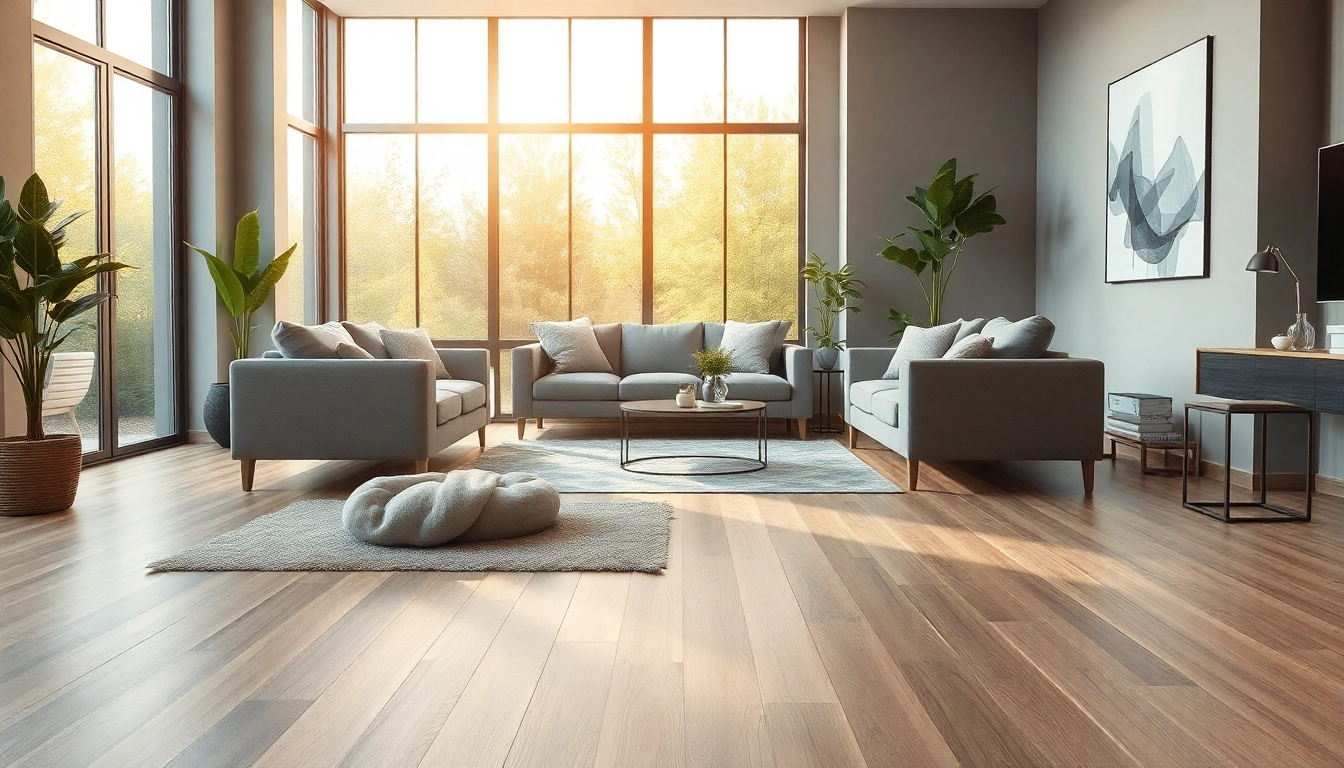
Understanding Vinyl Flooring: What You Need to Know
Definition and Types of Vinyl Flooring
Vinyl flooring is a synthetic flooring material made from polyvinyl chloride (PVC), designed to mimic the appearance of natural materials such as wood or stone while providing enhanced durability and affordability. It comes in several forms, primarily:
- Vinyl Sheets: These come in large, continuous sheets and are ideal for areas with high moisture, such as bathrooms and kitchens.
- Vinyl Tiles: These resemble ceramic tiles and offer versatility in design, allowing for a range of patterns.
- Luxury Vinyl Plank (LVP): These planks closely mimic hardwood and are known for their rich textures and colors.
Benefits of Using Vinyl Flooring
Choosing vinyl flooring can bring numerous advantages to your living space, including:
- Affordability: Compared to natural hardwood or stone, vinyl flooring provides a cost-effective solution with a lower upfront investment.
- Durability: This flooring type is resistant to scratches, dents, and stains, making it ideal for homes with children or pets.
- Water Resistance: Most vinyl floors are water-resistant, suitable for installations in moisture-prone areas without compromising performance.
- Ease of Maintenance: Regular upkeep requires simple sweeping and occasional mopping—no waxing or refinishing is necessary.
Common Applications for Vinyl Flooring
Vinyl flooring is suitable for a variety of applications, making it a popular choice in numerous settings:
- Residential Spaces: Kitchens, bathrooms, and living rooms benefit from its style and functionality.
- Commercial Settings: Retail stores and offices often utilize vinyl due to its resilience and low maintenance.
- Healthcare Facilities: Hospitals and clinics require easy-to-clean surfaces, making vinyl an ideal choice.
Choosing the Right Vinyl Flooring for Your Home
Factors to Consider When Selecting Vinyl Flooring
When selecting the perfect vinyl flooring for your home, consider several key factors:
- Foot Traffic: Assess how much activity the area will endure to choose a product with appropriate durability.
- Style Preferences: Determine if you’d prefer a classic hardwood look or a modern design to find a vinyl product that complements your aesthetics.
- Installation Method: Consider whether you want a glue-down approach, floating luxury vinyl plank, or a simple peel-and-stick option.
- Budget: Your budget will dictate the quality and type of vinyl you can afford, so set a clear range before shopping.
Comparing Styles: Plank vs. Tile Vinyl Flooring
Choosing between vinyl plank and vinyl tile depends on personal taste and the specific needs of your space:
- Vinyl Plank: Offers a wood-like appearance, often selected for living rooms and bedrooms. It provides the warmth of wood along with high durability.
- Vinyl Tile: Best for mimicking materials such as ceramic or stone, making it suitable for kitchens and bathrooms where slip-resistance and easy cleaning are essential.
How to Measure Your Space for Vinyl Flooring
To ensure that you purchase the right amount of vinyl flooring, accurate measurements are crucial:
- Measure the Room: Use a tape measure to determine the length and width of the room. Multiply these to find the total square footage.
- Add Wastage: It’s advisable to add 10% to 15% to your total for wastage, especially in complex areas.
- Shape Consideration: For rooms with irregular shapes, break the space into rectangles or squares, measure each segment, and sum them up.
Installation Process for Vinyl Flooring
DIY Installation vs. Professional Help
Deciding whether to install vinyl flooring yourself or hire professionals depends on your skill level and the complexity of the project:
- DIY Installation: Ideal for those with basic flooring knowledge and a willingness to learn; many products come with straightforward instructions.
- Professional Installation: Ensures precision and often comes with warranties, recommended for larger spaces or complicated layouts.
Step-by-Step Guide to Installing Vinyl Flooring
If you choose to DIY, follow these steps for a successful installation:
- Prepare the Subfloor: Ensure the floor is clean, flat, and dry. Remove any debris or old flooring materials.
- Acclimate the Vinyl: Let your vinyl flooring acclimate in the room where it will be installed for at least 48 hours.
- Lay Out the Design: Before adhering, lay out the planks or tiles in the desired pattern without securing them.
- Install: Follow the manufacturer’s instructions, applying adhesive (if required) and securing the planks or tiles together.
- Finishing Touches: Install any transition strips and baseboards once the flooring is laid to give your space a complete look.
Common Mistakes to Avoid During Installation
To avoid problems during installation, keep these tips in mind:
- Neglecting subfloor preparation can lead to an uneven appearance.
- Forgetting to acclimate your flooring can lead to expansion or contraction after installation.
- Not accounting for waste in measurements could leave you short on materials.
- Skipping the underlayment when required might affect the flooring’s longevity.
Maintenance Tips for Longevity of Vinyl Flooring
Cleaning and Caring for Your Vinyl Flooring
Keeping your vinyl flooring in top shape involves regular cleaning practices:
- Daily Maintenance: Sweep or vacuum regularly to remove dirt and debris.
- Routine Cleaning: Mop with a damp mop using a mild all-purpose cleaner to maintain its shine without leaving residue.
- Stain Removal: Immediately address spills with a soft cloth; never let liquid sit as it can seep into seams.
Preventing Damage to Vinyl Flooring
To avoid common damage issues, consider these preventive actions:
- Use mats at entrances to limit dirt entering the home.
- Use furniture pads under heavy items to prevent dents and scratches.
- Avoid using harsh chemicals or abrasive cleaners that can scratch the vinyl surface.
Signs That It’s Time to Replace Your Vinyl Flooring
Knowing when to replace your flooring can save you from further damage:
- Severe Scratches and Gouges: If your flooring has extensive damage, replacement may be more economical than repair.
- Fading: Vinyl that has faded significantly may no longer match your decor and can look worn out.
- Peeling and Lifting Edges: These indicate that the flooring has reached the end of its life and cannot be effectively repaired.
Frequently Asked Questions about Vinyl Flooring
What is the average lifespan of vinyl flooring?
Vinyl flooring can last between 10 to 20 years depending on wear and maintenance, making it a durable choice.
Is vinyl flooring waterproof?
Most vinyl flooring is waterproof, making it ideal for areas like kitchens and bathrooms, providing peace of mind in high-moisture regions.
Can I install vinyl flooring over existing floors?
Yes, vinyl flooring can often be installed over existing floors with proper preparation, saving time and effort during renovation.
How do I clean vinyl flooring effectively?
Use a damp mop with mild detergent for routine cleaning, taking care to avoid excessive moisture to maintain your flooring’s appearance.
Is vinyl flooring eco-friendly?
Some vinyl flooring options are made from recycled materials, but check certifications for eco-friendliness to ensure sustainability.