

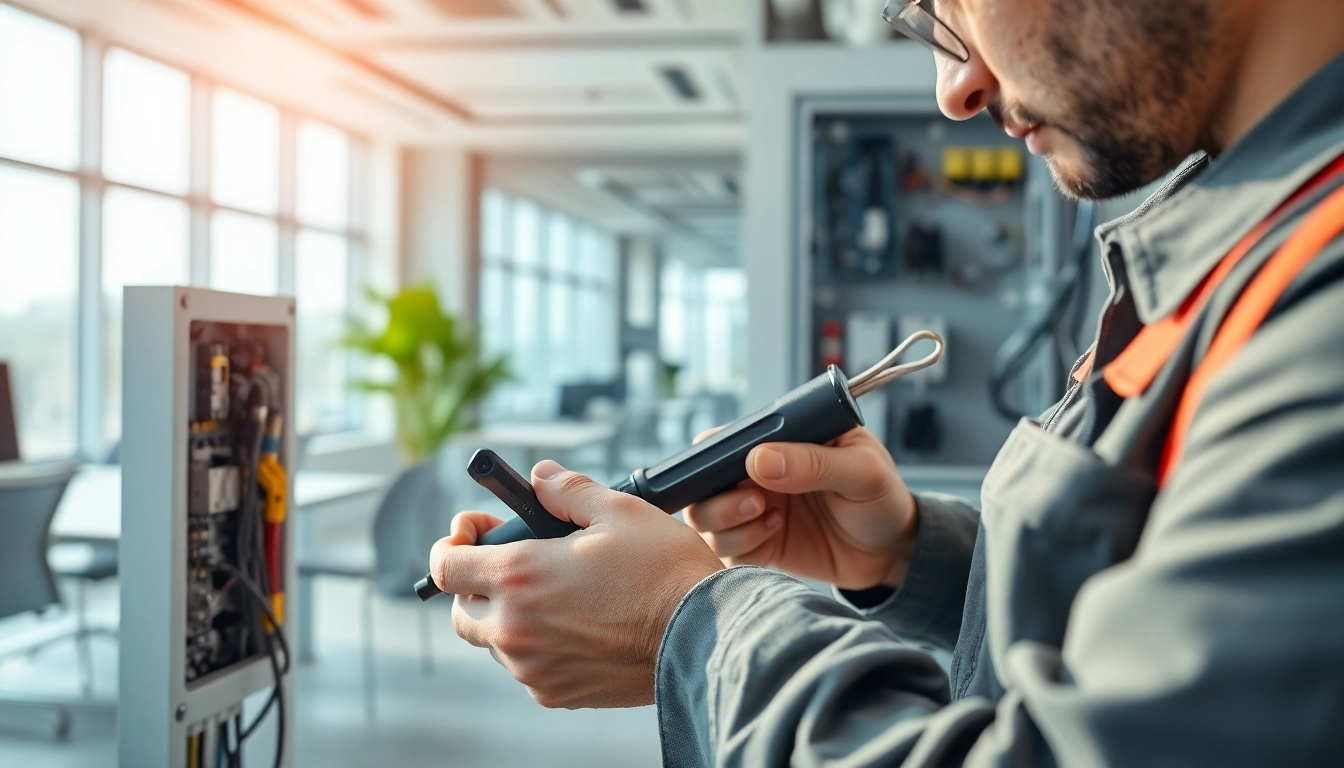
Introduction to Commercial Electrical Maintenance
In the realm of business operations, ensuring the safety and efficiency of electrical systems is non-negotiable. Commercial electrical maintenance is a critical service that helps mitigate risks associated with electrical hazards, enhances the lifespan of equipment, and improves energy efficiency. This guide delves into the importance of regular upkeep, highlights common issues encountered, and shares best practices that businesses should adopt to maintain their electrical systems effectively.
What is Commercial Electrical Maintenance?
Commercial electrical maintenance refers to the systematic upkeep of electrical systems within business environments. This involves comprehensive inspections, repairs, and upgrades aimed at ensuring that all electrical components operate smoothly and safely. The practice spans a broad array of services, including routine checks of wiring, circuit breakers, outlets, and lighting installations. Through regular maintenance, businesses can prevent costly outages and hazards associated with faulty electrical systems, ultimately contributing to a safer workplace environment.
Importance of Regular Maintenance
Regular electrical maintenance is essential for several reasons:
- Safety: Regular inspections help identify potential hazards, reducing the risks of electrical fires, electrocutions, and equipment malfunctions.
- Cost-Effectiveness: Preventive maintenance can reduce the likelihood of costly repairs and downtime, saving businesses money in the long run.
- Compliance: Adhering to local electrical codes and regulations is crucial for avoiding fines and legal issues.
- Operational Efficiency: Regular maintenance ensures that equipment runs at peak efficiency, conserving energy and minimizing operational costs.
Key Components of Electrical Systems
Understanding the key components of electrical systems is vital for effective maintenance. These include:
- Electrical Panels: The hub of electrical distribution; maintenance involves checking circuit breakers and connections for wear and corrosion.
- Wiring: Inspections are necessary to detect fraying, overheating, or unauthorized modifications in wiring.
- Outlets and Switches: Regular checks for functionality and the integrity of insulation can prevent many problems.
- Lighting Systems: Inspection of fixtures and bulbs, alongside energy-efficient upgrades, contributes to cost-saving measures.
- Grounding Systems: Essential for safety, ensuring this system is functioning correctly protects against electrical surges and faults.
Common Issues in Commercial Electrical Systems
Identifying Electrical Hazards
Electrical hazards can manifest in various forms, including:
- Overloaded Circuits: Too many devices on a single circuit can lead to overheating and tripped breakers, posing risks of fire.
- Exposed Wires: Uncovered or damaged wires are a major safety concern, often leading to electrocution risks.
- Flickering Lights: This can indicate a wiring issue or inadequate power supply, necessitating immediate investigation.
- Odors and Burn Marks: Any unusual smells or marks surrounding outlets can signal serious problems that require urgent attention.
Frequent Maintenance Problems
Some common issues faced in electrical maintenance include:
- Failing Circuit Breakers: Routine zig-zag connections can lead to frequent breaker trips, necessitating replacements or upgrades.
- Corroded Connections: Moisture can cause corrosion, leading to inefficient power transmission and potential failure of the system.
- Incompatible Devices: Using devices that require more power than the circuit can handle can lead to overheating.
- Outdated Systems: Aging electrical systems are more prone to failures and inefficiencies, often needing modernization.
Assessing System Performance
Regularly assessing the performance of electrical systems is crucial for ensuring reliability. Key performance indicators include:
- Energy Consumption: Monitoring energy use can highlight inefficiencies and opportunities for upgrades.
- Downtime Reporting: Keeping track of outages can help identify underlying issues that require intervention.
- Load Balancing: Ensuring that loads are adequately distributed prevents overloading and enhances safety.
Best Practices for Maintenance
Routine Inspection Guidelines
Establishing routine inspection protocols can help identify and address issues before they escalate. Suggested guidelines include:
- Monthly Checkups: Conducting monthly inspections of circuit breakers and outlets can help mitigate risks.
- Annual Comprehensive Audits: A full evaluation of the entire electrical system should occur at least once a year to ensure everything is in order.
- Documentation: Keeping meticulous records of inspections and maintenance aids in tracking system performance over time.
Preventive Measures
Preventive measures play a fundamental role in maintaining electrical systems. These measures include:
- Regular Cleaning: Dust and debris can interfere with electrical components; regular cleaning is necessary to keep everything in good working order.
- Upgrading Components: Replacing outdated equipment with modern, energy-efficient devices reduces risks and improves performance.
- Training Staff: Educating employees about electrical safety and maintenance protocols reduces the likelihood of accidents.
Upgrading Electrical Systems
Modernizing electrical systems not only improves safety but also enhances efficiency. Consider these aspects:
- Smart Technology: Implementing smart meters and controls can lead to better monitoring of energy use.
- LED Upgrades: Transitioning to LED lighting can significantly cut energy costs and reduce heat output.
- Load Management Systems: These systems help balance electrical loads, preventing overload and enhancing safety.
Tools and Equipment for Maintenance
Essential Tools for Technicians
Equipping technicians with the right tools is imperative for effective maintenance. Essential tools include:
- Multimeters: For testing voltage, current, and resistance, multimeters provide critical information about system health.
- Insulation Testers: These are crucial for checking the integrity of wiring and protecting against shorts.
- Circuit Tracers: These tools help locate breaks and faults within circuits swiftly.
Choosing Quality Materials
Using quality materials is fundamental to maintaining electrical systems. Here are key considerations:
- Wiring: Always use wiring rated for your specific application to avoid hazards.
- Connectors and Fasteners: These should meet industry standards to ensure secure and reliable connections.
- Equipment Ratings: Ensure that all equipment meets or exceeds required specifications for safety and performance.
Safety Gear and Protocols
Safety should always be a top priority during electrical maintenance. Ensure that technicians use:
- Insulated Tools: These can prevent shocks and enhance safety while working on live circuits.
- Personal Protective Equipment (PPE): This includes gloves, helmets, and eye protection to reduce injury risk.
- Lockout/Tagout Procedures: Implementing these protocols is critical for ensuring that equipment is properly shut off and not inadvertently energized during maintenance.
FAQs about Commercial Electrical Maintenance
How often should commercial electrical maintenance be performed?
It is recommended to conduct commercial electrical maintenance annually or bi-annually, depending on the usage and complexity of the system.
What are the signs of electrical issues?
Common signs include flickering lights, unusual smells, tripped breakers, or warm outlets, indicating potential hazards that need immediate attention.
Can I perform electrical maintenance myself?
While minor tasks can be DIY, professional expertise is essential for safety and compliance with regulations in commercial settings.
What is the cost of commercial electrical maintenance?
Costs vary based on the size of the facility and specific services needed, but investing in regular maintenance can save money in the long run.
How can I improve my electrical system’s efficiency?
Regular maintenance, upgrading to energy-efficient solutions, and ensuring proper load-balancing can significantly enhance system efficiency.