

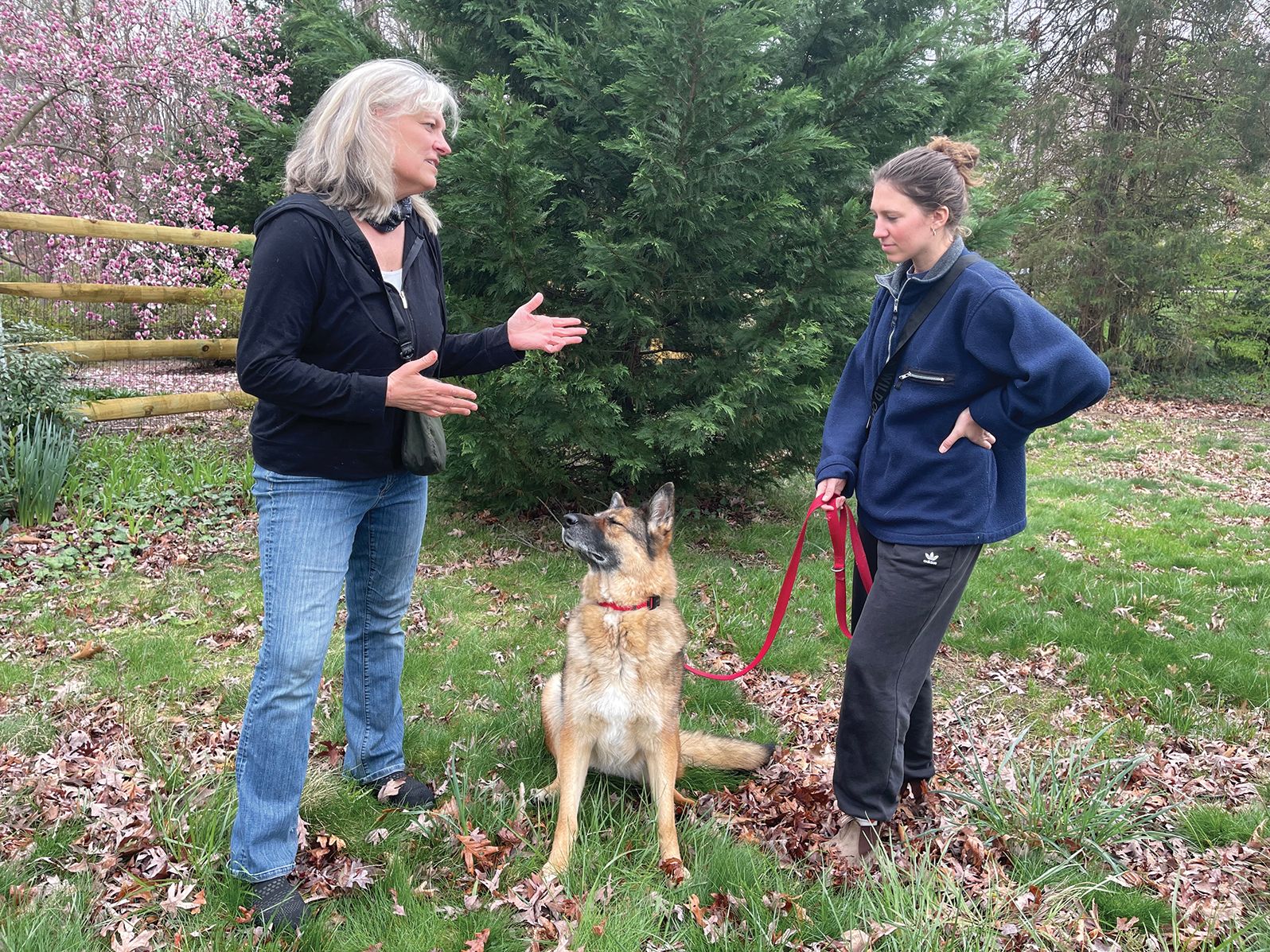
Training a dog is more than teaching basic commands it is a combination of science, consistency, and understanding canine behavior. Effective dog command training not only improves obedience but also strengthens the bond between a dog and its owner. Dogs, from playful puppies to mature companions, respond differently to commands, making a tailored approach essential. Early, consistent training sets the foundation for a lifetime of good behavior, safety, and mutual trust.
Understanding the psychology behind a dog’s actions is critical. Dogs are highly social animals and respond best when learning feels rewarding rather than punishing. Positive reinforcement, clear communication, and structured routines are the pillars of successful dog command training. Recognizing a dog’s signals like tail wagging, ears position, or body tension helps trainers know when a dog is ready to learn or needs a break.
Why Dog Command Training is Essential
Training a dog goes beyond simple obedience. Well-trained dogs enjoy better mental stimulation, less anxiety, and a safer environment. Key benefits include:
- Improved Safety: Commands such as “stay” or “come” prevent accidents during walks, in the yard, or public spaces.
- Behavior Management: Reduces destructive behaviors such as chewing furniture, excessive barking, or jumping on guests.
- Enhanced Communication: Clear commands allow dogs to understand expectations and feel secure.
- Stronger Bonds: Consistent interaction through training strengthens trust and connection.
- Mental Stimulation: Structured training challenges a dog’s mind, reducing boredom and related behavior issues.
Dogs that receive structured training are more confident, adaptable, and enjoyable companions, making daily routines smoother for owners and enriching for the dog.
Core Dog Command Training Techniques
Implementing structured strategies ensures fast, effective learning. Techniques include:
1. Positive Reinforcement
Reward desired behaviors immediately with treats, praise, or toys. Immediate feedback makes the connection between action and reward clear. For example, when teaching “sit,” give a treat the moment the dog’s rear touches the ground. Avoid punishing mistakes, as negative reinforcement slows learning and creates anxiety.
2. Consistent Commands
Always use the same words and gestures for each command. Consistency prevents confusion and accelerates learning. For example, “sit” should never be alternated with “sit down” during the same training period. Consistency extends to everyone in the household—if one person says “stay” and another uses “wait,” the dog may become confused.
3. Short, Frequent Sessions
Dogs have limited attention spans. Keep training sessions between 5–10 minutes, multiple times per day, to maintain focus. Longer sessions often lead to frustration for both trainer and dog. For older dogs or those with high energy, incorporate training into playtime or daily walks for variety.
4. Gradual Complexity
Begin with basic commands such as “sit,” “stay,” and “come.” Gradually introduce advanced commands like “heel,” “leave it,” or off-leash obedience as mastery grows. This stepwise approach builds confidence while avoiding overwhelming the dog.
5. Clear Signals and Body Language
Dogs read gestures and expressions as much as verbal cues. Using hand signals alongside verbal commands improves comprehension, especially in noisy environments. For instance, a raised hand can signify “stay,” reinforcing the spoken command.
Addressing Common Training Challenges
Even experienced trainers face challenges. Dogs may resist commands due to distractions, fear, or temperament. Overcoming these challenges requires patience and strategic methods:
- Distraction-Free Environment
Start training in quiet areas without other pets, people, or external stimuli. Gradually introduce distractions as the dog masters commands, building reliability in real-life scenarios. - Breaking Down Commands
Split complex commands into smaller steps. For instance, teaching “stay” can start with a few seconds of holding a position, gradually extending time. Reinforce each successful step before moving forward. - Motivating Hesitant Dogs
High-value rewards, like favorite treats, toys, or playtime, inspire reluctant dogs. Vary rewards to maintain interest and engagement. Some dogs respond better to praise or physical affection than treats, so observe preferences closely. - Managing Stubbornness
Independent or strong-willed dogs may resist commands. Gentle persistence, short training sessions, and patience build respect and cooperation over time. Avoid power struggles, which can damage trust and slow progress. - Addressing Fear or Anxiety
Dogs fearful of certain objects, sounds, or environments need gradual exposure while practicing commands. Pairing feared situations with rewards helps build confidence and reduces stress-related behaviors.
Advanced Dog Command Training Tips
Once basic obedience is established, advanced strategies elevate training effectiveness:
- Use of Clicker Training: Clickers provide a clear, consistent signal to mark correct behavior. Pair clicks with rewards for faster learning and clearer communication.
- Incorporating Recall Games: Practice “come” through fun activities, rewarding speed and accuracy to reinforce reliability.
- Behavior Shaping: Gradually reward approximations of the desired behavior, refining it step by step. For example, teach a dog to roll over by rewarding partial movements initially.
- Socialization with Commands: Expose dogs to other animals, people, and environments while practicing commands to ensure obedience in real-world situations.
These advanced strategies not only improve obedience but also challenge the dog mentally, strengthening focus and responsiveness.
Tools to Enhance Dog Command Training
Certain tools make training more efficient, safe, and enjoyable:
- Clickers: Mark correct behavior precisely.
- Target Sticks: Guide dogs to specific positions or movements during advanced exercises.
- Leash and Harness Systems: Maintain control during walks or off-leash training.
- Training Treats: Small, high-value treats keep dogs motivated without overfeeding.
- Interactive Toys: Encourage problem-solving while reinforcing commands.
Using tools appropriately accelerates learning while keeping sessions engaging. Avoid over-reliance; tools are aids, not substitutes for patience and consistency.
Tips for Long-Term Training Success
Sustainable training focuses on consistency and lifestyle integration:
- Daily Practice: Incorporate commands into daily routines, such as “sit” before meals or “stay” while opening doors.
- Reward Variety: Rotate treats, praise, and play to maintain motivation and engagement.
- Observe Dog Signals: Monitor body language to detect stress, fatigue, or excitement, adjusting sessions accordingly.
- Set Realistic Goals: Gradual progress reduces frustration and builds confidence for both dog and trainer.
- Track Progress: Keep a journal of milestones and behaviors to measure improvements over time.
Dogs thrive on structure, routine, and clear communication. Long-term success depends on patience, adaptability, and understanding the dog’s unique personality.
Conclusion
Mastering dog command training is an investment in a dog’s behavior, safety, and happiness. Combining positive reinforcement, consistency, structured sessions, advanced techniques, and supportive tools ensures dogs learn faster and more effectively. Integrating socialization and real-world practice extends obedience beyond controlled environments, creating reliable behavior in everyday life.
Consistent, patient training strengthens bonds, reduces behavioral problems, and builds confident, well-adjusted dogs. Implementing these strategies today transforms daily interactions into opportunities for learning and trust-building. With the right approach, Rob’s Dog Training makes dog command training a rewarding journey that benefits both the dog and the trainer, paving the way for a lifetime of communication, safety, and companionship.