

Understanding the Importance of a Dorm Room Fridge
For many students, living in a dorm is a rite of passage. It’s a time of newfound independence, where responsibility and self-sufficiency start to take center stage. One essential piece of equipment that often gets overlooked in the hustle and bustle of campus life is the dorm room fridge. This compact appliance offers numerous benefits, making it an invaluable asset for any student navigating their college years.
The Role of a Dorm Room Fridge in Student Life
A dorm room fridge serves multiple roles in a student’s daily routine. Primarily, it acts as a mini pantry, allowing students to store food, snacks, and beverages conveniently. This capacity to keep items chilled can be a game-changer for students managing hectic schedules, as they can prepare meals in advance or store groceries bought in bulk. It also fosters a sense of home and comfort, essential aspects of adapting to dorm life.
Benefits of Having a Dorm Room Fridge
- Convenience: Having easy access to snacks and beverages reduces the need for constant trips to the cafeteria, allowing for more study time.
- Healthier Eating: A fridge encourages students to stock up on fruits, vegetables, and healthier meal options instead of relying solely on fast food.
- Cost Efficiency: Buying groceries in bulk is usually cheaper than constantly purchasing single meals on campus.
- Social Gatherings: A stocked fridge can act as a social hub, attracting friends over for casual hangouts.
Common Misconceptions About Dorm Room Fridges
Despite their utility, several misconceptions linger about dorm room fridges. One common myth is that they are too small to be worth the investment. However, modern designs maximize storage capabilities, catering to various needs—from single-serving items to larger containers. Another misconception is that these fridges consume a lot of energy, but energy-efficient models are easily available, making them cost-effective in the long run.
Choosing the Right Size for Your Dorm Room Fridge
The first step in selecting the ideal dorm room fridge is understanding the available space. Every dorm is different, and choosing the right model can make all the difference in usability and comfort.
Measuring Your Dorm Space
Start by measuring the dimensions of the area where you plan to place the fridge. Consider height, width, and depth to ensure a perfect fit. Additionally, think about any surrounding furniture or cabinets that may impact the fridge’s placement as well as ventilation requirements to prevent overheating.
Volume Capacities Explained
Dorm room fridges come in various volume capacities, measured in cubic feet. Generally, a fridge around 3 to 4 cubic feet is suitable for most dorm rooms, providing ample storage without overwhelming the space. For students who like to meal prep, models with larger capacities, around 4.5 to 5.5 cubic feet, might be more appropriate, as they can accommodate meal containers and ingredients efficiently.
Balancing Size and Functionality
It’s crucial to find a balance between the size of the fridge and its functionality. While some might prioritize a larger capacity, consider how the layout of the fridge facilitates organization and accessibility. Look for models with adjustable shelves and a designated freezer compartment to cater to various storage needs.
Key Features to Look for in a Dorm Room Fridge
When shopping for a dorm room fridge, a few key features stand out, providing added value and enhancing the student experience.
Energy Efficiency Ratings
Energy efficiency is paramount, especially for students often on a tight budget. Look for models that have the ENERGY STAR label, indicating that they meet energy efficiency guidelines set by the U.S. Environmental Protection Agency. These fridges not only reduce electricity bills but are also better for the environment.
Noise Levels and Their Impact on Dorm Life
Noise can be a significant factor in the dorm setting. Choose a fridge that operates quietly, as excessive noise can disrupt study sessions or sleep. Generally, look for models with noise levels below 40 decibels, comparable to an average refrigerator’s hum, which helps maintain a peaceful environment.
Storage Configurations and Customization
Functional design can greatly enhance the experience of using a dorm room fridge. Look for features such as adjustable shelves, door bins for smaller items like condiments or drinks, and removable trays. These add flexibility and can help maximize the available space, allowing for personalized organization.
Maintenance and Care for Your Dorm Room Fridge
To ensure the longevity and efficiency of your dorm room fridge, regular maintenance is essential. Neglecting this can result in more significant issues down the road.
Regular Cleaning and Hygiene Tips
Keep your fridge clean by routinely wiping down surfaces and removing spoiled or expired items. A simple solution of warm water and baking soda can effectively sanitize shelves and eliminate odors. Aim to clean your fridge at least once a month to maintain optimal hygiene.
How to Troubleshoot Common Issues
Experiencing a malfunction with your fridge? Start by checking the power source and ensuring it’s plugged in properly. Strange noises might indicate an unset shelf or excessive items blocking airflow. If cooling issues arise, consider adjusting the temperature settings and cleaning the condenser coils. Most problems can be fixed without professional assistance.
When to Replace Your Dorm Room Fridge
Knowing when to replace your fridge is crucial. If you notice persistent issues despite troubleshooting, or if the fridge is over a decade old, it may be time to consider an upgrade. Frequent breakdowns, strange odors, or an increase in energy bills are also indicators that a new model may be necessary.
Maximizing the Use of Your Dorm Room Fridge
Making the most of your dorm room fridge goes beyond just storing food. Implementing strategies to enhance its usage can lead to a more organized and enjoyable experience.
Meal Prep Ideas for Busy Students
Meal prepping saves time and encourages healthier eating habits. Invest in airtight containers and prepare bulk meals on weekends. Foods like pasta, salads, and rice dishes can be made in advance and portioned out for the week. This approach not only streamlines meal times but also minimizes food waste.
Organizing Snacks and Drinks Efficiently
To keep your fridge organized, create sections for different types of items. Utilize bins or baskets for snacks and beverages, grouping similar items together. This method makes it easier to find what you need quickly and can help reduce the clutter often found in dorm fridges.
Fun Ways to Personalize Your Dorm Room Fridge
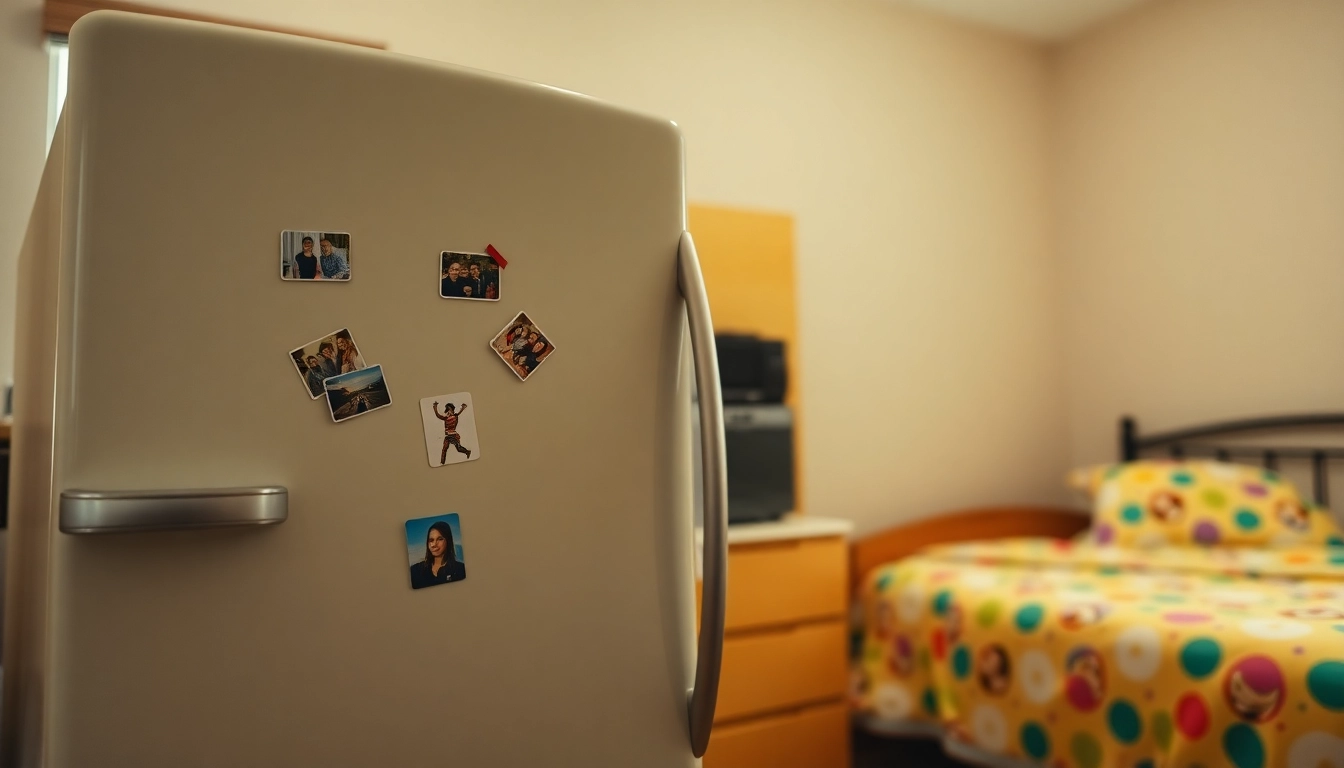
Personalizing your fridge can make it feel more like home. Consider decorating the exterior with magnets, photos, or stickers to reflect your personality. Inside, use colorful containers for snacks or even create a meal plan visual to help keep track of your supplies.
FAQs About Dorm Room Fridges
What size fridge is ideal for a dorm room?
A fridge size of 3 to 4 cubic feet is typically ideal for most dorms, balancing space and capacity.
How often should I clean my dorm room fridge?
Cleaning your fridge at least once a month prevents odors and maintains hygiene. Remove expired items and wipe down surfaces regularly.
Can I store frozen items in a dorm room fridge?
Many dorm room fridges come with a freezer compartment suitable for storing ice trays or frozen meals, check the model specifications.
Are energy-efficient dorm room fridges worth it?
Yes, energy-efficient models reduce electricity bills and have a lower environmental impact, making them a smart investment.
How can I troubleshoot a noisy dorm room fridge?
Ensure it’s on a stable surface and check for any blocked ventilation. If the noise persists, consider adjusting shelves or cleaning the coils.