

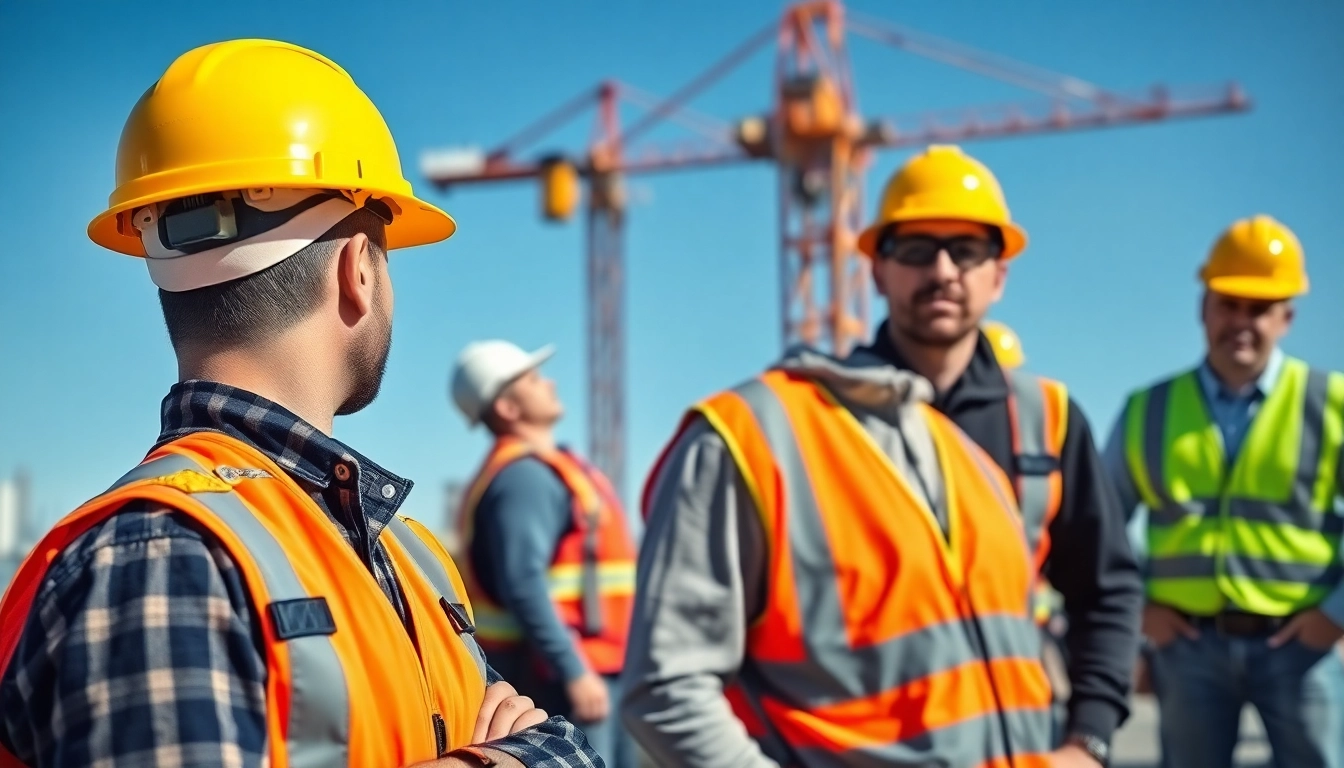
Understanding Construction Site Safety
What is Construction Site Safety?
Construction site safety refers to a set of protocols and measures implemented to ensure the well-being of workers on a construction site. It encompasses a broad range of practices, policies, and regulations designed to minimize risks and prevent accidents or injuries. This includes everything from Occupational Safety and Health Administration (OSHA) regulations to personal protective equipment (PPE), machinery safety, and emergency preparedness. Effective construction site safety not only protects workers but also aids in project efficiency and compliance.
The Importance of Safety Protocols
Safety protocols are crucial in construction projects due to the inherent risks involved. With heavy machinery, hazardous materials, and unpredictable environments, the potential for accidents is high. Implementing robust safety measures reduces workplace injuries and fatalities, which can lead to decreased insurance costs and improved employee morale. Organizations prioritizing safety often experience fewer work disruptions, better project timelines, and enhanced company reputation.
Stakeholders in Construction Site Safety
Several stakeholders play vital roles in maintaining construction site safety, including:
- Employers: Required to provide a safe working environment and adhere to safety regulations.
- Employees: Responsible for following safety protocols and using PPE properly.
- Safety Officers: Oversee safety measures and conduct training sessions.
- Regulatory Agencies: Set and enforce safety standards like OSHA.
Common Hazards in Construction
Identifying Physical Hazards
The construction industry is fraught with physical hazards, including:
- Falls: Leading cause of construction fatalities, often due to inadequate fall protection measures.
- Caught-in-between Hazards: Workers can be caught in machinery or between materials.
- Electrical Hazards: Risks from live wires or faulty equipment.
- Repetitive Motion: Leads to musculoskeletal injuries over time.
Emergency Situations and Their Prevention
Construction sites can face various emergencies, including fires, chemical spills, and medical situations. Preventive measures include conducting regular emergency drills, ensuring accessible emergency exits, and having first-aid kits readily available. A well-designed emergency response plan ensures that all workers know what to do in a crisis.
Impact of Weather on Construction Site Safety
Weather conditions significantly affect safety on construction sites. Rain can create slippery surfaces, while extreme heat may lead to heat exhaustion. Cold weather increases the risk of frostbite and hypothermia. Establishing weather-related protocols, such as adjusting work schedules or providing climate control measures, can minimize these risks.
Implementing Effective Safety Measures
Safety Gear and Equipment Essentials
The use of appropriate safety gear is essential in protecting workers on construction sites. Essential gear includes:
- Helmets: Protects against head injuries from falling objects.
- Gloves: Shield hands from cuts, burns, and chemical exposure.
- Safety Shoes: Provide insulation against electrical hazards and punctures.
- High-Visibility Vests: Ensure workers are seen, especially in low-light conditions.
Training Workers for Safety Awareness
Training programs are crucial for fostering an organizational culture of safety. Regular training sessions on safety protocols, equipment usage, emergency procedures, and hazard recognition help workers remain vigilant and informed. Onboarding new employees with a structured safety training program can set a standard for safety right from the start.
Regular Safety Assessments and Audits
Conducting periodic safety assessments and audits helps identify potential risks and opportunities for improvement. Engaging external safety professionals can provide an unbiased assessment of safety practices. These audits should cover all aspects from equipment safety checks to hazard recognition training specific to the site.
Legal Regulations and Compliance
Understanding OSHA Regulations
OSHA is the primary body governing worker safety in the United States, stipulating standards that all employers must follow. Understanding the specifics of these regulations is essential for compliance and ensuring employee safety. Common OSHA standards include fall protection, scaffolding regulations, and guidelines for material handling.
Employer Responsibilities Under the Law
Employers have a legal obligation to provide a workplace free from recognized hazards. This includes not only following OSHA standards but also creating a safety plan, training employees, and providing necessary safety equipment. Failure to comply can result in fines and increased liability.
Documentation and Reporting Requirements
Maintaining clear documentation of safety practices, training records, and incident reports is vital for legal compliance. Proper documentation helps in tracking safety performance, identifying trends, and ensuring accountability among workers and management in case of incidents.
Measuring Success in Safety Initiatives
Key Performance Indicators for Safety
To gauge safety effectiveness, organizations should track key performance indicators (KPIs) such as the total recordable incident rate (TRIR), lost time injury frequency rates (LTIFR), and the number of near-miss incidents. Monitoring these metrics allows for data-driven decision-making and supports continuous improvement initiatives.
Feedback Mechanisms and Continuous Improvement
Establishing mechanisms for employee feedback on safety practices can lead to significant improvements. Regularly soliciting input from workers and addressing concerns shows that safety is a priority and encourages proactive engagement. Continuous improvement should be a core principle across all levels of an organization.
Case Studies: Success Stories in Construction Site Safety
Successful implementation of safety protocols can be seen in numerous case studies where companies reported reductions in accidents and improved safety morale. For example, a construction firm that implemented a comprehensive safety training program and regular audits saw a 40% drop in workplace incidents over a year, illustrating the power of prioritizing safety.
FAQs about Construction Site Safety
What are the common hazards on a construction site?
Common hazards include falls, electrical hazards, being caught in machinery, and exposure to hazardous materials.
How often should safety training be conducted?
Safety training should be conducted regularly, ideally at the start of a new project and ongoing quarterly or as needed for regulation changes.
What personal protective equipment is necessary?
Necessary PPE typically includes helmets, gloves, high-visibility clothing, safety shoes, and eyewear depending on tasks involved.
How can weather impact construction safety?
Weather can create hazardous conditions such as slippery surfaces in rain or increased risk of heat exhaustion in hot conditions; proper planning is essential.
What should be included in a safety assessment?
A safety assessment should include inspections of equipment, reviews of safety protocols, employee interviews, and checks for compliance with OSHA standards.