

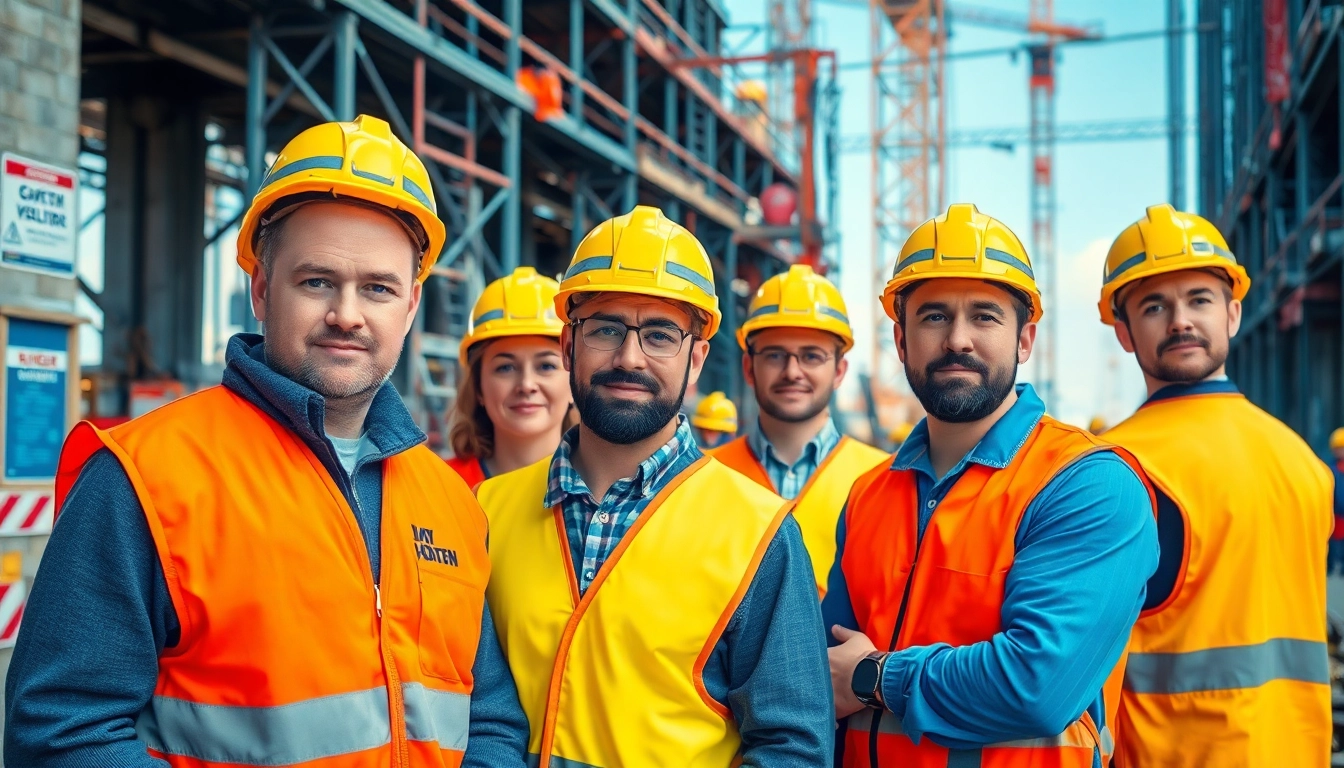
Understanding Construction Site Safety
Construction site safety is a critical aspect of the construction industry that directly affects the health and well-being of workers. The nature of construction work presents numerous risks, making it essential to establish robust safety protocols. Understanding the intricacies of safety standards can significantly reduce accidents and enhance productivity. Fostering a safe working environment also aligns with the mission of organizations focused on promoting construction site safety.
Importance of Safety in Construction
Safety in construction is paramount not only for regulatory compliance but for ensuring the welfare of each worker on-site. Workplace incidents can result in severe injuries or fatalities, negatively impacting families and communities. Furthermore, the financial repercussions for companies can be substantial, ranging from lost labor hours to increased insurance premiums and legal settlements. A strong safety culture not only saves lives but also enhances overall project efficiency, reduces downtime, and promotes employee morale and retention.
Common Hazards on Construction Sites
Construction sites are fraught with hazards that require proactive management. Common risks include:
- Falls: One of the leading causes of fatalities in construction, falls can occur from heights, unprotected edges, scaffolding, or ladders.
- Electrocution: Working with electrical equipment presents significant risks, particularly in wet conditions or with damaged wiring.
- Struck-by Objects: The potential for being hit by tools, equipment, or materials is high, necessitating caution and awareness.
- Caught-in/between: Workers can find themselves caught in or between machinery, equipment, or structures, leading to severe injuries.
- Hazardous Materials: Exposure to chemicals, asbestos, or silica dust poses long-term health risks and requires careful handling.
Regulatory Standards for Safety Compliance
Adhering to regulatory standards is critical for maintaining safety on construction sites. Organizations such as the Occupational Safety and Health Administration (OSHA) set comprehensive guidelines to protect workers. Compliance not only protects the workforce but also shields employers from legal repercussions. Understanding and implementing these regulations can include:
- Regular safety audits to ensure equipment is up to code.
- Training workers on proper safety procedures and equipment usage.
- Maintaining necessary documentation of safety meetings and training sessions.
Key Safety Equipment and Tools
Personal Protective Equipment (PPE)
Personal Protective Equipment (PPE) is a foundational aspect of construction site safety. Proper PPE includes hard hats, safety goggles, gloves, hearing protection, and steel-toed boots. Each piece is designed to protect workers from specific hazards present on-site. For example, hard hats prevent head injuries from falling objects, while safety goggles protect eyes from dust and debris. Regularly inspecting and replacing PPE is crucial to ensure its effectiveness and compliance with safety standards.
Safety Signage and Symbols
Effective communication of safety information through signage is vital in reducing accidents on construction sites. Signs should be clear, visible, and understandable to everyone on-site, regardless of language proficiency. Common types of construction safety signs include:
- Warning Signs: Indicate potential hazards, such as “Caution: Falling Objects.”
- Mandatory Signs: Require actions, such as “Hard Hats Required.”
- Prohibitory Signs: Indicate actions that are forbidden, like “No Smoking.”
Site Safety Plans and Emergency Procedures
A comprehensive site safety plan outlines procedures to follow in case of emergencies, detailing roles and responsibilities during incidents. This plan should include:
- Emergency contact numbers.
- Evacuation routes and assembly points.
- First aid procedures and locations of first aid kits.
Best Practices for Safety Training
Conducting Safety Orientation Sessions
Safety orientation sessions are a critical first step for new employees. These sessions should cover the site’s specific hazards, proper PPE usage, and emergency procedures. Incorporating interactive elements, such as hands-on demonstrations, can enhance retention and understanding. Refresher courses should also be scheduled regularly, adapting to any new equipment or procedures that emerge.
Creating a Safety Culture Among Workers
Establishing a safety culture within the workforce is essential for long-term success. This can be initiated by:
- Encouraging open communication about safety concerns.
- Recognizing and rewarding safe work practices.
- Involving workers in safety planning and decision-making.
The more engaged employees feel, the more likely they are to adhere to safety protocols.
Regular Safety Audits and Assessments
Conducting regular safety audits helps identify potential hazards and assess compliance with safety regulations. Audits should focus on:
- Worksite conditions and adherence to safety protocols.
- PPE availability and proper usage among workers.
- Incident reports, trends, and training effectiveness.
Post-audit meetings should discuss findings and actionable steps to address any issues raised, reinforcing the commitment to safety.
Implementing Safety Technology on Sites
Use of Drones for Site Inspections
Drones have revolutionized construction site inspections, allowing for visual assessments from diverse angles and elevations without exposing workers to unnecessary dangers. By leveraging drones, project managers can:
- Monitor site progress in real-time.
- Identify potential hazards such as unstable structures.
- Document conditions for regulatory compliance.
Utilizing drone technology streamlines inspections, increases efficiency, and enhances safety.
Mobile Apps for Safety Reporting
Mobile apps have emerged as vital tools for enhancing safety communication on construction sites. These applications can enable workers to:
- Report safety concerns anonymously.
- Access safety protocols and guidelines easily.
- Document incidents for immediate review.
By enabling quick reporting and communication, mobile technology can significantly reduce response times in emergency situations.
Wearable Technology and Monitoring Systems
Wearable technology, such as smart helmets and vests, equipped with sensors can monitor workers’ health metrics, like heart rates and fatigue levels. Some innovative systems can even detect proximity to heavy machinery or hazardous zones. This proactive approach allows for:
- Real-time alerts to potential dangers.
- Data collection for safety assessments.
- Enhanced overall situational awareness.
Integrating wearable technology into safety practices can significantly mitigate risks and prevent incidents.
Evaluating Safety Performance and Metrics
Tracking Incident Reports and Trends
Tracking incident reports allows organizations to identify patterns and address root causes of accidents effectively. Establishing a systematic approach for documentation ensures consistent reporting. Analyzing these reports can reveal:
- Common causes of injuries.
- Areas requiring additional training or resources.
- Trends over time, aiding in proactive safety measures.
Evaluating Training Effectiveness
Regularly assessing the effectiveness of safety training programs ensures that the training meets the needs of the workforce. Evaluation methods can include:
- Pre- and post-training assessments to gauge knowledge retention.
- Observations of workers during routine tasks to assess applied knowledge.
- Feedback surveys from participants regarding the training experience.
Continuous improvement in training processes contributes to a safer working environment.
Benchmarking Against Industry Standards
Benchmarking safety performance against industry standards is essential for maintaining a competitive edge. Regularly reviewing metrics against national safety statistics can help organizations identify weaknesses and implement improvements. Key performance indicators (KPIs) to monitor may include:
- Incident rates compared to industry averages.
- Cost of incidents related to overall project expenses.
- Worker feedback on safety practices.
Benchmarking creates accountability and provides a clear pathway for improvement.
Frequently Asked Questions
What are the most common injuries on construction sites?
Common injuries include falls, being struck by objects, electrocutions, and injuries from machinery. Proper training and PPE can prevent these incidents.
How often should safety training be conducted?
Safety training should be conducted regularly, ideally during onboarding and at least annually for all workers. Frequent refresher courses are essential for ongoing compliance.
What is the role of safety audits?
Safety audits assess compliance with safety regulations, identify hazards, and recommend improvements. They ensure continuous enhancement of safety protocols.
How can technology enhance construction site safety?
Technology, such as drones and wearable devices, improves site inspections, enables real-time monitoring, and fosters immediate reporting of hazards.
What steps can be taken to create a safety culture?
Encouraging communication, rewarding safe practices, involving workers in safety decisions, and providing ongoing education are key to fostering a safety culture.