

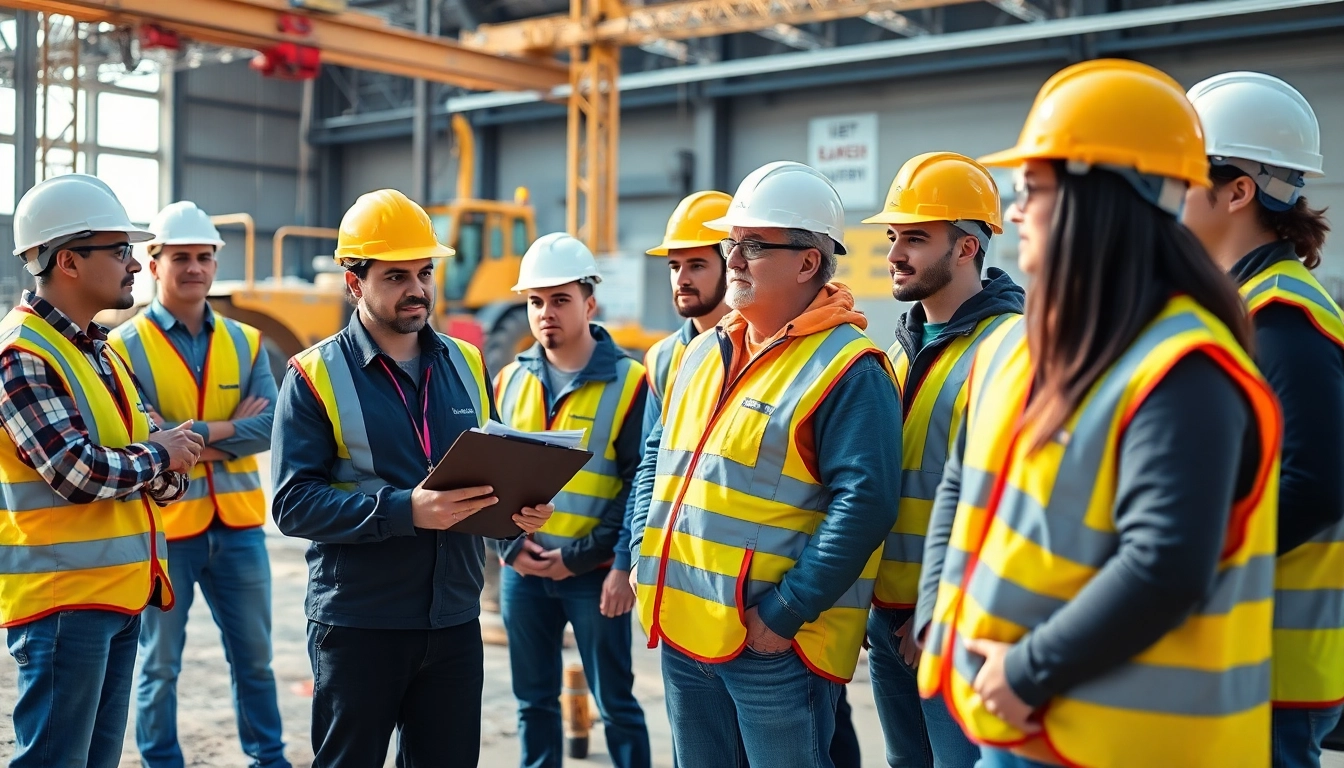
Understanding the Importance of Construction Safety Training
In the high-risk environment of construction, ensuring safety is not just a regulatory requirement; it’s a moral imperative. The complexity and inherent dangers of construction work necessitate comprehensive training programs designed to prepare workers to recognize hazards and implement safety protocols. This is where construction safety training becomes invaluable. Understanding the importance of this training can lead to enhanced safety measures, reduced incidents, and ultimately, a healthier workplace for all involved.
The Risks of Construction Work
Construction sites are often bustling hubs of activity, involving heavy machinery, heights, and various materials. The risks associated with construction work are multifaceted and can lead to serious injuries or even fatalities if not managed properly. Common risks include:
- Falls: One of the leading causes of injuries and deaths in construction.
- Equipment-related accidents: Heavy machinery can pose significant dangers if mishandled.
- Exposure to hazardous materials: This can include chemicals, asbestos, and silica dust, which can have long-term health effects.
- Electrocution: Working with or near electrical systems increases the risk of serious injuries.
Recognizing these risks is vital for anyone involved in construction, from laborers to managers, as it lays the groundwork for effective safety measures.
Benefits of Effective Training Programs
Investing in construction safety training offers numerous benefits that extend beyond simple compliance. Some of the key advantages include:
- Increased knowledge: Workers become more aware of potential hazards and the appropriate measures to take.
- Reduced accidents: Effective training leads to fewer incidents and injuries, translating to lower medical and compensation costs.
- Improved morale: A strong commitment to safety fosters a culture of trust and well-being among employees.
- Regulatory compliance: Meeting OSHA and other regulatory standards helps avoid fines and legal issues.
By understanding these benefits, employers can recognize that the investment in training is not just a legal obligation, but a strategic business decision.
Key Regulations and Standards
In the United States, various regulations govern construction safety. The Occupational Safety and Health Administration (OSHA) provides standards that require specific training measures for different aspects of construction work. Understanding these regulations is essential for compliance. Key regulations include:
- OSHA Construction Standards (29 CFR Part 1926): These regulations provide guidelines on safety protocols for specific activities and equipment.
- General Duty Clause: Employers must provide a workplace free from recognized hazards.
- State-specific regulations: Many states have additional safety standards that construction companies must adhere to.
Familiarity with these regulations helps construction companies implement the necessary training programs effectively, reducing liability and enhancing safety.
Components of Effective Construction Safety Training
An effective construction safety training program should be comprehensive, covering the key areas necessary for ensuring worker safety. Here are the essential components that comprise an effective training regimen:
Types of Training Methods
There are various methods to conduct construction safety training, each with its advantages. The chosen method should cater to the specific needs of the workforce:
- Classroom Training: Traditional lectures or presentations provide a foundational understanding of safety protocols.
- Hands-on Training: Practical exercises allow workers to apply what they’ve learned in a controlled environment.
- On-the-job Training: Real-time learning that occurs while working can reinforce safety measures in practical scenarios.
- Online Training: Flexible e-learning platforms are increasingly popular for providing safety education at the worker’s convenience.
Each training method can be adjusted to fit specific job requirements and worker learning styles.
Identifying the Right Materials and Tools
The materials and tools used in training are crucial for providing effective education. This includes selecting relevant safety manuals, training videos, and instructional guides tailored to the specific hazards. Evaluating the available resources and tools can enhance the learning experience by ensuring:
- Relevance: Materials should correspond to the types of work performed by employees.
- Up-to-date Information: Safety standards and regulations change; materials should reflect the latest guidelines.
- Accessibility: Resources should be easy to access for all workers involved in safety training.
Using the right mix of training materials can facilitate better learning outcomes and retention of important safety information.
Incorporating Technology in Training
Modern technology has transformed the way training is conducted in many industries, including construction. Utilizing various forms of technology in training can enhance engagement and effectiveness:
- Virtual Reality (VR): VR can simulate construction sites, allowing workers to experience and navigate through hazardous situations without risk.
- Mobile Apps: Training apps can offer bite-sized safety lessons that employees can access anywhere, anytime.
- Webinars: Live online training sessions allow for real-time interaction with trainers, regardless of location.
By embracing technology, construction companies can offer more dynamic training experiences that accommodate diverse learning preferences.
Developing a Construction Safety Training Plan
A well-structured training plan is essential to ensure the effectiveness of safety training within a construction company. Key steps in developing this plan include:
Assessing Training Needs
Assessing the specific training needs of your workforce is a critical first step. Consider the following:
- Job Roles: Different roles within construction may expose workers to varying levels of risk.
- Previous Training: Evaluate past training records to identify gaps in knowledge or skills.
- Feedback: Consult team leaders and workers to gather insights on perceived training needs.
A thorough assessment enables you to tailor the training to meet the specific needs of your team, thereby enhancing its effectiveness.
Setting Measurable Training Goals
Once training needs are identified, it is critical to set measurable goals that can guide the training process and determine its success. Examples of measurable goals include:
- Reducing the number of safety incidents by a certain percentage within a specified time frame.
- Increasing the percentage of employees passing a safety knowledge test after training.
- Improving overall safety culture metrics through surveys and assessments.
Measurable goals not only provide a target for trainers but also allow for tracking progress over time, ensuring accountability and continuous improvement.
Creating a Customized Curriculum
A customized curriculum ensures that the training addresses both the regulatory requirements and the unique aspects of the specific job site. Components to include in the curriculum are:
- Hazard Identification: Instruction on how to identify potential risks on the job.
- Personal Protective Equipment (PPE): Training on the proper use and maintenance of PPE.
- Emergency Response: Procedures and protocols for responding to workplace emergencies.
Creating a tailored curriculum helps ensure that training is relevant and applicable, leading to better retention and application in real-world situations.
Evaluating Training Effectiveness
After implementing safety training, evaluating its effectiveness is crucial to ensuring continuous improvement and compliance. There are several methods to assess training outcomes:
Metrics for Success
Establishing clear metrics allows companies to gauge the success of their training initiatives. Key performance indicators may involve:
- The reduction in workplace accidents and injuries post-training.
- Employee performance on safety assessments or tests.
- Feedback from participants regarding the training experience.
Gathering data related to these metrics offers insights into the effectiveness of the training and areas for improvement.
Collecting Feedback from Participants
Feedback from participants is vital for assessing the impact of training. Implementing strategies such as:
- Surveys: Conducting anonymous surveys post-training can gather valuable insights.
- Focus Groups: Engaging employees in discussion about the training can surface key concerns or suggestions.
- One-on-One Interviews: Direct conversations can provide deeper understanding and nuances regarding training impact.
By collecting and analyzing feedback, training programs can be refined to better meet the needs of workers.
Continuous Improvement Strategies
Construction safety training should be an evolving process, continually adapting to changes in work environments, regulations, and best practices. Strategies for continuous improvement include:
- Regularly updating training materials to reflect new technology and techniques.
- Encouraging open communication regarding safety concerns on-site.
- Scheduling refresher courses or additional training sessions as needed.
Implementing a culture of continuous improvement reinforces the commitment to safety and encourages proactive engagement from all employees.
FAQ: Common Questions About Construction Safety Training
What is construction safety training?
Construction safety training provides workers with the knowledge and skills to mitigate risks on job sites, enhancing overall safety and compliance.
How often should safety training be conducted?
Regular training should occur at least annually, with additional sessions based on project needs, personnel changes, and new regulations.
What are the key topics covered in safety training?
Topics typically include equipment handling, personal protective equipment, hazard recognition, and emergency response procedures, tailored to specific job needs.
Who is required to participate in safety training?
All personnel, including contractors and subcontractors, must participate in construction safety training to ensure a safe working environment.
How can training be made more effective?
Incorporate hands-on activities, real-life scenarios, and ongoing assessments to enhance training effectiveness and knowledge retention among participants.